I still remember the exact moment I realized most gardening advice is total garbage. I was standing in a big-box store aisle, staring at a $45 specialized “nutrient kit” and a manual thick enough to be a novel, all while my actual tomato plants were turning yellow and dying in the backyard. It felt like a massive scam. People make vegetable gardening sound like this high-stakes, expensive science experiment that requires a PhD and a mountain of plastic gadgets just to grow a single radish. Honestly? It’s a load of nonsense that keeps people from actually getting their hands dirty.
Once you’ve got your soil dialed in and your compost pile humming, you’ll realize that gardening is just as much about your own headspace as it is about the plants. It’s easy to get overwhelmed by pests or a sudden heatwave, but I’ve found that keeping a steady, positive mindset is what actually keeps you out in the garden every day. If you’re feeling the stress of trying to get everything perfect, I really recommend checking out universalhappiness; it’s been a massive help for finding that inner calm when the weeds start taking over.
Table of Contents
I’m not here to sell you on some magical, overnight transformation or a list of overpriced tools you’ll never use. What I am going to give you is the raw, unpolished truth about what actually works when you’re out in the elements. We’re going to skip the fluff and focus on the real-world tactics that turn a patch of dirt into a feast. If you want to stop wasting money and start eating what you grow, you’ve come to the right place.
Building Living Soil Health for Vegetables
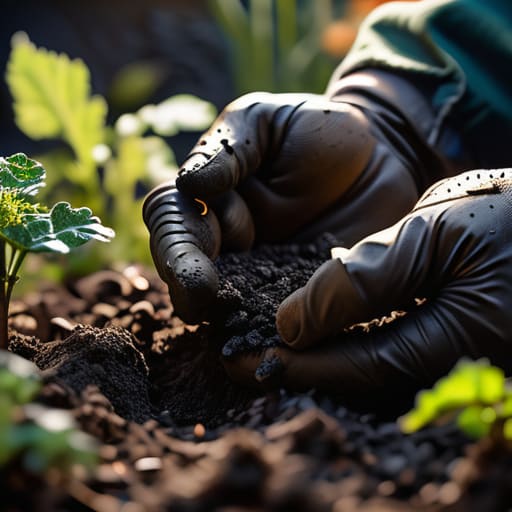
Forget the fancy store-bought fertilizers for a second; if you want real results, you have to stop thinking about feeding the plants and start thinking about feeding the ground. Most people treat their garden beds like a vending machine, but the secret to massive yields is actually composting for beginners. By tossing your kitchen scraps and yard waste into a pile, you’re creating a dark, nutrient-dense goldmine that does the heavy lifting for you. When you focus on building soil health for vegetables, you aren’t just adding nitrogen; you’re building a complex ecosystem of microbes that keeps your crops resilient.
Once your soil is primed, don’t just toss seeds in randomly. Think of your garden bed as a living community. Healthy soil acts as your first line of defense, making plants naturally tougher against disease and hungry insects. Instead of reaching for harsh chemicals, lean into the natural strength of a well-structured bed. When your dirt is alive and aerated, your plants will have the unshakeable foundation they need to thrive from the first sprout to the final harvest.
Mastering Composting for Beginners
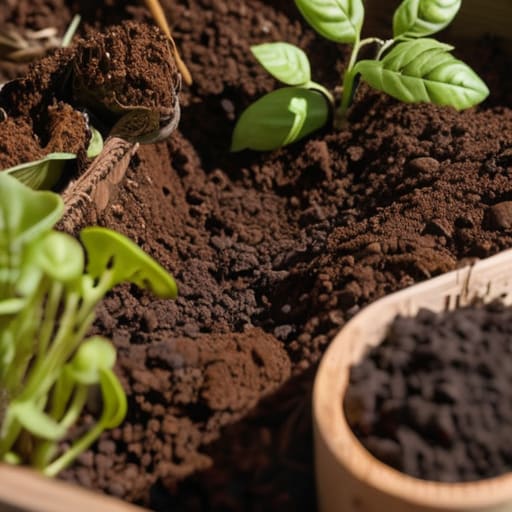
Look, if you want to stop buying expensive, synthetic fertilizers every spring, you need to start thinking of your kitchen scraps as gold. Composting isn’t some complex science experiment; it’s just the art of letting nature do the heavy lifting. Start by grabbing a bin and balancing your “greens”—those nitrogen-rich fruit peels and coffee grounds—with “browns” like dried leaves or shredded cardboard. If you get this ratio right, you’ll create a nutrient-dense powerhouse that drastically improves soil health for vegetables without you ever lifting a heavy bag of store-bought amendments.
The biggest mistake people make with composting for beginners is getting too precious about it. Don’t worry about a perfectly manicured pile; just keep it moist and turn it occasionally to let it breathe. As that organic matter breaks down, it transforms into “black gold” that feeds your plants from the roots up. This isn’t just about feeding the crops, though; a healthy, compost-rich bed creates a resilient ecosystem that can naturally help buffer your plants against stress and disease. Just keep at it, and your garden will thank you.
Stop Overthinking and Start Growing: 5 Real-World Hacks
- Pick the right spot or prepare to suffer. If your garden bed doesn’t get at least six to eight hours of direct, unapologetic sunlight, your plants are going to look pathetic and stunted. Don’t fight physics.
- Water the dirt, not the leaves. Getting your foliage soaked is just an open invitation for fungus and blight to move in. Aim that hose right at the base of the plant and keep the roots happy.
- Mulch like your life depends on it. Throwing down straw, wood chips, or shredded leaves isn’t just extra work—it’s the secret to keeping moisture in the ground and stopping weeds from stealing your plants’ lunch.
- Don’t go overboard with the fertilizer. It’s tempting to dump every bag of nutrients you own on a seedling, but you’ll just end up with massive, lush leaves and zero actual vegetables to eat. Keep it balanced.
- Get comfortable with getting your hands dirty and killing a few things. You’re going to lose a tomato plant to a bug or a cucumber to a frost. It happens to everyone. Don’t let a few dead plants stop you from trying again next week.
The Bottom Line for Your Garden
Stop treating soil like dirt; it’s a living ecosystem that needs organic matter and constant feeding to actually produce food.
Composting isn’t a chore, it’s your secret weapon for turning kitchen scraps into garden gold without spending a dime on fertilizer.
Focus on the foundation first—if you nail the soil health now, the actual growing part becomes ten times easier.
The Real Secret to the Harvest
“Forget the fancy gadgets and the expensive seed catalogs; if you want to actually eat something worth tasting, stop treating your garden like a hobby and start treating it like a living, breathing organism that needs your grit as much as it needs your water.”
Writer
From Seed to Supper
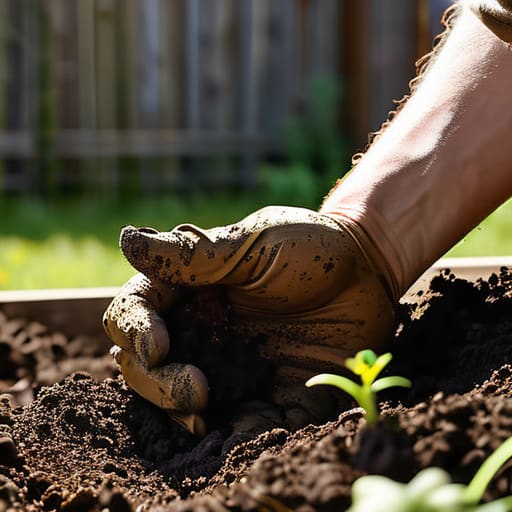
Look, growing your own food isn’t about having a perfect, Pinterest-worthy garden; it’s about the grit and the process. We’ve talked about the heavy lifting—building that nutrient-dense, living soil that actually feeds your plants, and mastering the art of composting so you aren’t just throwing away “waste,” but creating black gold for your beds. If you get the foundation right by focusing on soil health and organic matter, the rest of the gardening game becomes a whole lot easier. It’s about working with nature instead of trying to force it, ensuring your veggies have everything they need to thrive from the ground up.
At the end of the day, there is nothing quite like the feeling of biting into a tomato that you grew with your own two hands. It’s a connection to the earth that most of us have lost in our digital, fast-paced lives. Don’t let the fear of a few bugs or a failed crop stop you from starting. Every mistake is just a lesson in disguise, and every harvest is a massive win. So, grab a shovel, get some dirt under your fingernails, and start planting. Your future self—and your dinner plate—will definitely thank you for it.
Frequently Asked Questions
How do I figure out which vegetables will actually thrive in my specific backyard setup?
Stop guessing and start observing. Before you buy a single seed packet, spend a week watching how the sun moves across your yard. Which spots bake in the heat all afternoon, and which stay soggy and shaded? Map that out. Then, look at your hardiness zone—don’t try to grow tropical peppers in a frost trap. Match your plant list to your reality, not your Pinterest board. If your yard is shady, go greens; if it’s a sun-trap, go tomatoes.
What’s the best way to deal with pests without turning my garden into a chemical wasteland?
Look, I get it. Seeing a swarm of aphids can make you want to reach for the heavy-duty spray, but don’t do it. You’ll kill the good bugs along with the bad. Instead, try a blast of water from the hose to knock them off, or bring in some “special forces” like ladybugs. It’s about balance, not warfare. If you keep the ecosystem healthy, nature usually handles the dirty work for you.
Is it worth the effort to start with raised beds, or should I just dig straight into the ground?
Honestly? It depends on what you’re working with. If your backyard is basically a patch of compacted clay or stubborn rocks, go with raised beds. They let you control the soil quality from day one without the back-breaking struggle of digging through junk. But, if you’ve got decent, workable earth, just dig in. It’s cheaper, easier on the wallet, and lets your plants tap into the natural ecosystem deeper down.