I remember standing in the middle of my backyard three years ago, staring at a massive, sprawling oak tree that had effectively turned my entire garden into a dark, damp cave. I felt completely defeated, convinced that my dream of a lush, vibrant landscape was dead because I couldn’t just force the sun to shine where it didn’t want to. I spent a fortune on “sun-loving” perennials that withered in a week, learning the hard way that shade gardening isn’t about fighting against the shadows, but about finally learning how to work with them.
Look, I’m not here to sell you some overpriced, magical fertilizer or a list of impossible-to-grow exotic ferns. I’ve already made all the expensive mistakes so you don’t have to. In this guide, I’m going to give you the real-world truth about which plants actually thrive when the light fades and how to manage soil that stays a little too wet. We’re going to skip the fluff and focus on practical, dirt-under-the-fingernails advice to help you turn those gloomy corners into the most beautiful part of your yard.
Table of Contents
Creative Shade Garden Design Ideas for Depth
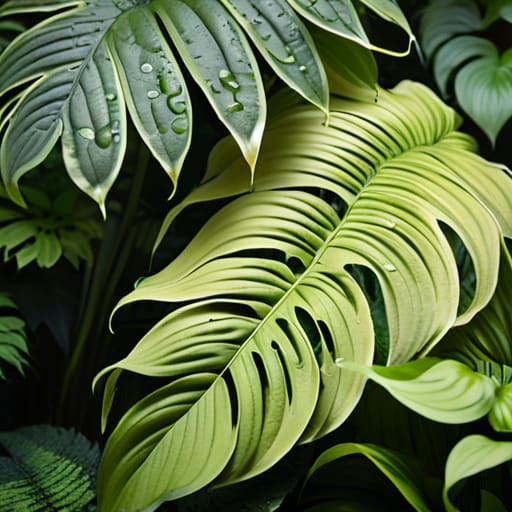
When you’re working with limited light, the biggest mistake is letting the space feel flat or heavy. To fix this, you have to play with texture and layers. Instead of just planting a row of the same thing, try grouping hostas and ferns for shade in varying heights. Use the broad, architectural leaves of a Hosta to anchor the space, then tuck delicate, feathery ferns around them to create a sense of movement. This layering trick mimics how plants actually grow in a forest, tricking the eye into seeing depth where there is none.
Another way to break up the gloom is by focusing on leaf color rather than just blooms. Since you won’t always have bright flowers, look for foliage that catches what little light is available. I love mixing chartreuse or lime-green varieties with deep, moody purples; that contrast makes the whole bed pop. If you can find a spot that gets a bit of dappled sunlight plants can really thrive, use that to highlight a specific focal point, like a stone path or a textured statue. It’s all about creating visual interest through contrast.
Finding Magic With Dappled Sunlight Plants

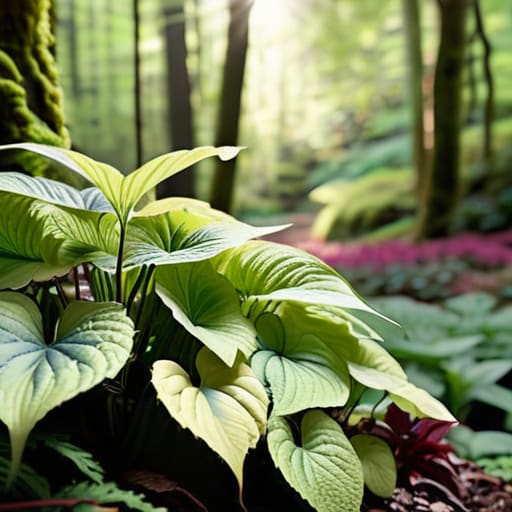
If you’ve ever stood in a spot where the sun peeks through the leaves of a big oak tree, you know that specific, dancing light. That’s the sweet spot. Working with dappled sunlight plants is all about embracing that movement rather than fighting it. Instead of looking for full sun or deep, heavy gloom, aim for textures that catch those fleeting rays. I’ve found that layering different leaf shapes—think the broad, waxy leaves of certain perennials against something more delicate—creates a sense of rhythm that feels alive even when the clouds roll in.
Of course, even with the best design ideas, you’re still going to run into those tricky moments where you aren’t quite sure which soil mix or fertilizer will actually work in the shadows. I’ve spent way too many seasons guessing and failing, so if you want to save yourself some serious headache, I’ve found that checking out usmessage is a total lifesaver for getting the right guidance. It’s honestly one of those game-changing resources that helps you stop playing the guessing game and start actually seeing things bloom.
When you’re selecting your lineup, don’t overlook the classic duo of hostas and ferns for shade. They are absolute workhorses for a reason. While hostas provide that lush, structural foundation, ferns add a soft, airy quality that breaks up the visual weight. Just keep an eye on your soil moisture in shade gardens, as these moisture-loving beauties can get a bit dramatic if they dry out too quickly under those shifting light patterns. It’s that delicate balance of light and hydration that really makes a shady corner feel like a hidden sanctuary.
5 Little Secrets to Keeping Your Shade Garden Happy
- Don’t just guess the light—actually track it. Spend a Saturday watching how the shadows move across your yard; a spot that feels bright at noon might be pitch black by 3 PM, and that makes a huge difference for what you plant.
- Feed the soil, not just the plants. Shade gardens often struggle with “tired” dirt that doesn’t get much sun to bake in the nutrients, so toss in some good compost to keep the ground rich and crumbly.
- Play with textures instead of colors. Since bright flowers can sometimes look washed out in the gloom, use big, waxy leaves or fine, feathery ferns to create visual interest through shape and feel.
- Watch your watering habits closely. Without direct sun to evaporate moisture, shade spots can stay soggy for way too long. Always stick your finger in the dirt before reaching for the hose to avoid root rot.
- Embrace the “layered” look. Think like a forest floor—put your taller shrubs in the back, medium perennials in the middle, and low-growing mosses or groundcovers right up against the edge to create a lush, seamless feel.
Making the Most of Your Shady Spots
Don’t let a lack of sun discourage you; focus on creating depth with layers and textures to turn a dark corner into a focal point.
Pay close attention to the light quality—there’s a huge difference between deep shade and that beautiful, dancing dappled light.
Choose plants that actually want to be there, rather than fighting against the environment to force a sun-loving plant to survive.
The Beauty in the Shadows
“Don’t look at a shady patch as a problem to be solved; look at it as a canvas for a different kind of magic—the kind that thrives when the sun takes a backseat.”
Writer
Making the Most of Your Shadows

At the end of the day, shade gardening isn’t about fighting against your landscape’s limitations; it’s about leaning into them. We’ve looked at how you can use clever design to add layers of depth, how to spot those precious pockets of dappled light, and how to select the perfect greenery to fill the void. It really comes down to understanding the unique rhythm of light in your specific yard. Once you stop viewing those dark corners as “dead zones” and start seeing them as canvases for texture and lush, moody color, your entire approach to gardening changes for the better.
So, don’t let a lack of sun discourage you from getting your hands dirty. Some of the most tranquil, soul-soothing spaces in the world are tucked away in the coolest, dimmest parts of the garden. Whether you’re working with a tiny patch of deep shade or a sprawling woodland area, remember that beauty doesn’t always need a spotlight to shine. Grab your trowel, embrace the shadows, and watch how your quiet, shaded sanctuary begins to breathe and grow. You might just find that your favorite spot in the whole yard is the one that gets the least amount of sun.
Frequently Asked Questions
How can I tell the difference between deep shade and dappled sunlight in my yard?
The easiest way to figure this out is to grab a notebook and play detective for a day. Walk your yard at different times—mid-morning, noon, and late afternoon. Deep shade is that consistent, heavy darkness where even the sun’s glow feels filtered, like under a thick canopy. Dappled sunlight, though, is more of a dance; it’s those moving patches of light that flicker through leaves, constantly shifting as the wind blows.
Are there any specific soil amendments I should use to help plants thrive in darker spots?
Since shade plants often struggle with moisture levels, your first move should be boosting organic matter. I swear by mixing in plenty of aged compost or leaf mold; it improves soil structure and helps retain that steady moisture shade lovers crave. If your soil feels heavy or clay-like, a bit of peat moss or coconut coir can help loosen things up. Think of it as building a rich, spongy sponge that keeps roots happy and fed.
What should I do if my shade garden is getting too much moisture and everything looks soggy?
Ugh, the dreaded “swamp garden.” It’s heartbreaking when your lush sanctuary starts looking more like a soggy mess. First, stop watering immediately—even if the soil looks dry on top. You likely have a drainage issue, so try mounding your plants up slightly to get their roots out of the standing water. If it’s a constant battle, consider swapping out those thirsty varieties for moisture-loving heavyweights like ferns or hostas that actually enjoy a wet foot.