I am so sick of those “meal prep for one” influencers telling you that you need a dozen matching glass containers and a three-hour Sunday ritual just to survive the week. Honestly, most of that advice is just a recipe for burnout and a sink full of dishes. The truth is, grocery shopping for one shouldn’t feel like a high-stakes tactical mission or a luxury lifestyle choice; it’s usually just a frustrating battle against those massive, family-sized portions that end up rotting in the back of your fridge. I’ve spent way too many nights staring at a bag of wilted spinach and a half-eaten loaf of bread, wondering where it all went wrong.
I’m not here to sell you on some complicated system or tell you to buy expensive specialty gadgets. Instead, I’m going to give you the real-world blueprint for navigating the aisles without breaking the bank or your spirit. We’re going to talk about how to actually buy what you need, how to dodge the “bulk buy” traps, and how to make your fridge work for you rather than against you. This is about smart, sustainable eating that actually fits your life.
Table of Contents
Crafting a Budget Friendly Solo Grocery List
The biggest mistake I see people make is walking into the store with nothing but a vague idea of “wanting pasta.” That is a one-way ticket to impulse buys and a fridge full of wilted spinach. Instead, you need a budget friendly solo grocery list that actually accounts for your week. Before you even grab a basket, take a quick inventory of what’s hiding in the back of your pantry. Building your list around staples you already own is the ultimate way to stop spending money on duplicates.
Once you have your foundation, the real magic happens when you lean into single serving meal planning. Instead of buying a massive bag of rice and a giant tray of chicken, look for ways to mix and match ingredients across different dishes. This is where minimizing food spoilage becomes your best friend; if you know that half a head of cabbage will go bad by Thursday, don’t buy the whole thing—find a way to use it in a stir-fry on Wednesday. It’s all about being intentional rather than just reactive.
Smart Grocery Shopping Hacks to Beat the Aisles
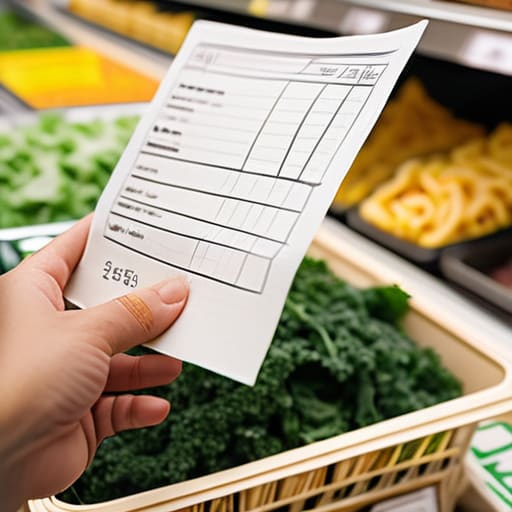
Once you’ve got that list in hand, it’s time to actually face the music in the store. My golden rule? Never, ever shop while you’re hungry. It sounds cliché, but wandering the aisles on an empty stomach is a one-way ticket to an impulse-buy disaster filled with snacks you don’t actually need. Instead, try to view the store through the lens of single serving meal planning. If you see a massive tray of lasagna that feeds a family of six, ask yourself if you’re actually going to finish it before it turns into a science project in the back of your fridge.
If you’re still feeling a bit overwhelmed by the sheer volume of choices in the produce aisle, honestly, just lean into a bit of organization. I’ve found that having a solid game plan makes a world of difference, and if you’re looking for some extra inspiration to keep your meals from getting repetitive, checking out thinkinkstudios is a total lifesaver. It’s one of those little things that helps you stay on track so you aren’t just staring blankly at the frozen veggie section wondering what on earth you’re going to eat for dinner three nights from now.
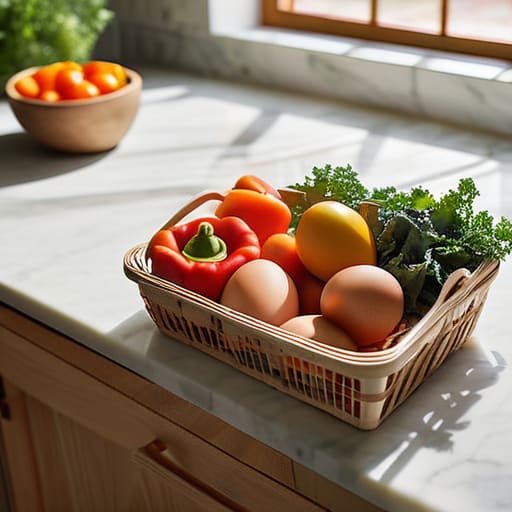
Another game changer is rethinking how you handle the “value” sections. While it’s tempting to grab everything in sight, bulk buying for one person can actually be a trap if you aren’t careful. Only go big on the stuff that has a ridiculous shelf life, like rice, pasta, or frozen veggies. For everything else, focus on minimizing food spoilage by choosing smaller, versatile portions. It’s much better to spend an extra fifty cents on a single bell pepper than to let a three-pack rot on your counter.
5 Ways to Stop Your Fridge From Becoming a Graveyard
- Embrace the frozen aisle like your life depends on it. Frozen veggies and fruit are basically cheat codes for solo living because they won’t turn into a slimy mess in three days, and you can grab exactly what you need for one meal at a time.
- Stop falling for the “Value Pack” trap. Those massive, bulk-buy packs of meat might look like a steal, but if you can’t finish them before they expire, you’re literally just throwing cash into the trash.
- Become a master of the “component” meal. Instead of buying ingredients for five different complex recipes, buy versatile staples like spinach, eggs, and grains that can pivot from a breakfast scramble to a quick dinner salad.
- Check the unit price, not the big number. Sometimes that “small” jar of sauce is actually a better deal per ounce than the giant one, and for someone living alone, the smaller jar is the one that actually gets finished.
- Learn the art of the single-serving snack. Skip the multi-packs of granola bars that sit in your pantry for months; grab the loose fruit or individual yogurt cups so you aren’t staring at a mountain of leftovers every time you want a bite.
The Solo Shopper’s Cheat Sheet
Stop the “bulk buy” trap; unless it’s something that won’t rot in a week, skip the family-sized packs to save your wallet and your fridge space.
Shop with a battle plan—a solid, budget-conscious list is your best defense against impulse buys that inevitably end up in the trash.
Master the aisles by being strategic with your timing and your hacks so you can get in, get what you need, and get out without overspending.
## The Solo Shopper's Golden Rule
“Grocery shopping for one isn’t about deprivation; it’s about precision. It’s the art of buying exactly what you need to eat well, without letting a giant bag of spinach turn into a science experiment in the back of your fridge.”
Writer
The Final Takeaway
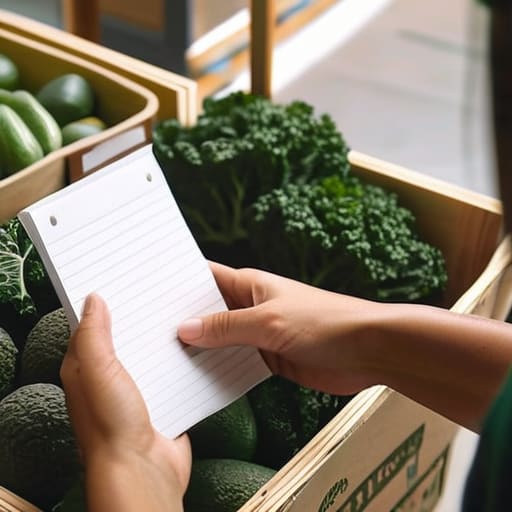
At the end of the day, mastering the solo grocery run isn’t about being a math genius or spending hours meal prepping on a Sunday. It’s about working smarter by building a strategic list, dodging those massive bulk traps that lead to wasted money, and using the right hacks to navigate the aisles like a pro. Once you stop treating every trip like a chaotic scramble and start viewing it as a way to fuel your specific lifestyle, the whole experience changes. You’ll find yourself walking out of the store with exactly what you need—and nothing that’s just going to rot in the back of your fridge.
Living on your own shouldn’t feel like a constant battle against food waste or a shrinking bank account. Think of your grocery routine as a form of self-care rather than a chore. When you take control of what goes into your cart, you’re actually taking control of your health, your budget, and your time. So, go ahead and reclaim your kitchen. You’ve got the tools, you’ve got the plan, and now it’s time to shop with intention and enjoy every single bite of the meals you create.
Frequently Asked Questions
How do I keep fresh produce from turning into a science experiment in my fridge?
## The “Science Experiment” Prevention Plan
Is it actually cheaper to buy in bulk if I'm only cooking for myself?
It’s a total trap. On paper, that massive bag of rice looks like a steal, but if you end up tossing half of it because it went stale or attracted pests, you didn’t save money—you just threw it in the trash. Bulk is only a win if it’s a non-perishable staple you use constantly. For everything else? Stick to the smaller portions. Your wallet (and your pantry) will thank you.
What are some quick meal ideas that use up leftover ingredients before they expire?
The “Kitchen Sink” Frittata is my absolute holy grail. Just toss whatever wilting veggies or stray bits of cheese you have into a pan with a few eggs. If you’ve got leftover grains or a lonely chicken breast, throw that in too. Honestly, even a quick stir-fry or a “pantry pasta” where you toss random herbs and half-used sauces into noodles works wonders. It’s basically a scavenger hunt that actually tastes good.