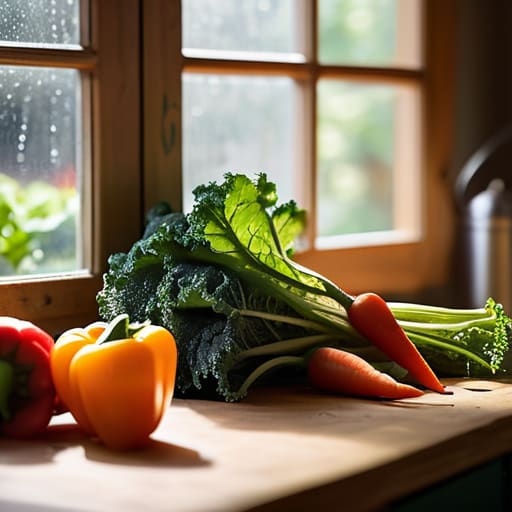
I was standing over my kitchen bin last Tuesday, staring at a bag of slimy, greyish spinach and a half-eaten loaf of bread, when it finally hit me: I wasn’t just throwing away scraps; I was literally tossing cash into the garbage. We’ve all been there, caught in that exhausting cycle of buying “healthy” with the best intentions, only to watch it rot while we scramble for dinner. Most of the advice you see online about preventing food waste feels like it was written for someone with a personal sous-chef and twelve hours of free time, but let’s be real—that isn’t us.
I’m not here to sell you on some complicated, expensive composting system or a lifestyle overhaul that requires a PhD in meal prepping. Instead, I’m going to give you the straight talk on how to actually use what you have before it turns into a science project. We’re going to cover the low-effort, high-impact habits that actually work in a busy, real-world kitchen. No fluff, no judgment, just a no-nonsense way to stop the rot and save your hard-earned money.
Table of Contents
Smart Food Storage Techniques to Save Your Groceries
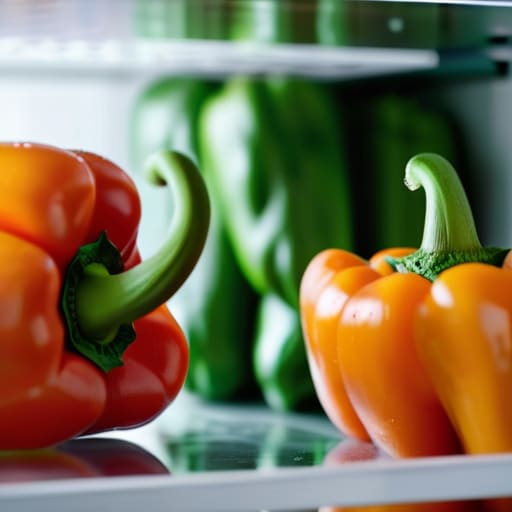
Most people treat their fridge like a black hole where spinach goes to die. We shove everything in there, hope for the best, and then act surprised when we find a bag of literal slime at the bottom of the crisper drawer. If you want to start reducing grocery bills, you have to stop treating your refrigerator like a junk drawer. It’s all about organization and understanding that not every vegetable wants to live in the same climate. For instance, keep your leafy greens in a container with a paper towel to soak up excess moisture—it’s a game changer for longevity.
Mastering basic food storage techniques is really just about playing detective with your ingredients. Herbs should be treated like flowers; trim the stems and pop them in a glass of water to keep them from wilting overnight. Meanwhile, keep your onions and potatoes in separate, dark spots, because if they hang out together, they’ll rot each other’s progress. It’s not about being a perfectionist; it’s just about giving your food a fighting chance before it reaches that sad, mushy stage.
Reducing Grocery Bills Through Smarter Shopping Habits
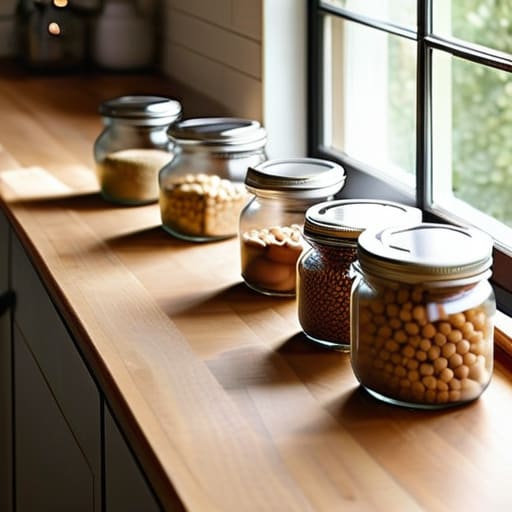
If you want to see an immediate drop in your weekly spending, you have to stop treating the grocery store like a buffet. Most of us walk down those aisles with a vague idea of what we need, toss everything into the cart, and then wonder why half of it ends up in the bin by Thursday. The secret to reducing grocery bills isn’t about buying less food; it’s about buying exactly what you have a plan for. Before you even grab a basket, audit your pantry. If you already have three cans of chickpeas hiding in the back, you don’t need a fourth.
Beyond just managing what you buy, you really need to think about the physical space where you actually keep your food. If your kitchen layout is a chaotic mess of overflowing cabinets and dark corners, you’re going to keep losing track of what’s expiring. I’ve found that even a small upgrade to your organization system can make a massive difference in how much you actually eat versus how much you toss. If you’re looking to revamp your living space to better support a more intentional, organized lifestyle, checking out the layouts at stakproperties might give you some great inspiration for a more functional kitchen setup.
Once you’re actually at the store, resist the urge to fall for those “bulk buy” traps unless you have a specific use for them. Those massive bags of spinach might look like a bargain, but if you can’t finish them before they turn into green slime, you’re just paying extra to throw money away. Instead, focus on versatile ingredients that play well with others. This approach is one of the most effective zero waste kitchen tips because it forces you to shop with intention, ensuring every dollar spent actually ends up on your plate rather than in the landfill.
Stop Playing Guesswork with Your Leftovers
- Master the “Eat Me First” box. Dedicate one small bin in your fridge for items that are nearing their expiration date, so you aren’t constantly digging through drawers to find that half-empty jar of pesto.
- Freeze everything that’s about to die. If your spinach is looking a little sad or your berries are getting soft, toss them in a bag in the freezer; they’re perfect for smoothies later and much better than the compost bin.
- Learn to love “Kitchen Sink” meals. Instead of following a rigid recipe, keep a rotation of stir-frys, frittatas, or grain bowls that allow you to toss in whatever random veggies are left in the crisper.
- Stop overestimating your hunger. We’ve all been there—buying a massive bag of salad thinking we’ll be healthy, only to watch it turn into green sludge. Buy only what you know you’ll actually eat in a week.
- Use your scraps for flavor. Don’t toss onion skins, carrot ends, or herb stems; keep a bag in your freezer to collect them, then boil them down into a free, delicious homemade veggie stock.
The Bottom Line: Stop Wasting, Start Saving
Treat your fridge like a high-stakes inventory—if you don’t know what’s hiding in the back, you’re basically throwing cash into the bin.
Shop with a battle plan, not a whim; stick to your list and buy only what you’ll actually eat by Tuesday.
Respect your ingredients by mastering storage, because a little bit of organization is the difference between a delicious meal and a trip to the compost pile.
## The Bottom Line on Food Waste
“Food waste isn’t just a moral failure or an environmental issue; it’s a leak in your bank account that you’re choosing to ignore every time you toss a wilted bag of spinach into the bin.”
Writer
The Bottom Line
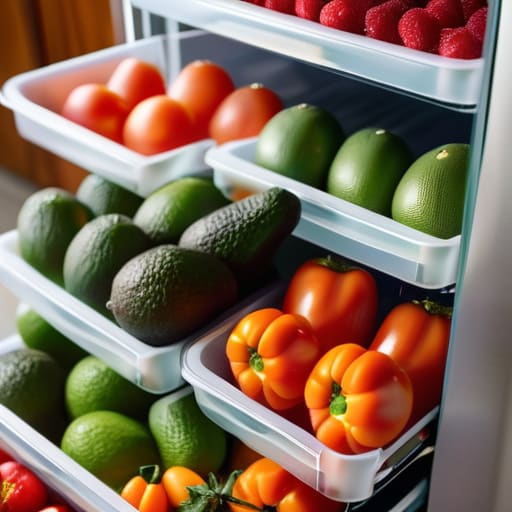
At the end of the day, preventing food waste isn’t about achieving some impossible standard of perfection or living in a zero-waste bubble. It’s about the small, practical shifts we discussed: mastering your fridge storage, shopping with a calculated plan instead of impulse, and actually looking at what you own before you hit the checkout line again. When you stop treating your groceries like disposable commodities and start seeing them as investments in your home, the savings start to stack up almost immediately. You aren’t just saving a few bruised apples; you’re reclaiming control over your budget and your kitchen.
Transitioning to a more sustainable lifestyle can feel overwhelming, but remember that progress beats perfection every single time. You don’t have to overhaul your entire life overnight to make a massive impact on your bank account and the planet. Start with one small change this week—maybe it’s a dedicated “eat me first” bin in the fridge or a more disciplined grocery list. Before you know it, these habits won’t feel like chores anymore; they’ll just be how you live. Now, go take a look in that pantry and make something incredible out of what you already have.
Frequently Asked Questions
What’s the actual difference between "use by" and "best before" dates, and can I really trust them?
Here’s the deal: “Use by” is a safety thing. If it’s past that date, toss it—especially with meat or dairy. It’s not worth the risk of food poisoning. “Best before,” however, is all about quality. It’s just the manufacturer saying, “Hey, this tastes best until this date.” After that, it’s likely still safe to eat, just maybe a little less crunchy or flavorful. Trust the “use by,” but use your senses for the rest.
How do I handle leftovers so they don't just turn into science experiments in the back of the fridge?
Stop treating your fridge like a graveyard for Tupperware. If you want to avoid that “science experiment” smell, you need a system. First, get clear glass containers—if you can’t see the food, you’ll forget it exists. Second, follow the “Eat Me First” rule: designate a specific shelf for anything nearing its expiration. Finally, if you know you won’t touch that lasagna by tomorrow, freeze it immediately. Don’t wait for the mold to decide for you.
Are there any easy ways to freeze food without it turning into a block of ice that's impossible to use?
The secret is avoiding the “giant ice brick” trap by using the flash-freeze method. Instead of tossing a whole bag of berries or chopped onions in together, spread them out on a baking sheet in a single layer first. Pop that tray in the freezer for an hour until everything is solid, then transfer them to a bag. You’ll get perfect individual pieces every time, making it easy to grab exactly what you need.