
I remember sitting on my floor at 3:00 AM, surrounded by expensive weighted blankets and “sleep-optimizing” supplements, feeling more wired and exhausted than ever. I had followed every single guru’s advice, yet I still felt like a shell of a person, completely disconnected from my own body. It turns out, you can’t just buy your way into restorative rest with a fancy gadget or a $50 lavender spray. We’ve been sold this lie that recovery is a luxury product, when in reality, it’s a fundamental, often messy, and deeply personal process of reclaiming your energy from a world that never stops demanding it.
I’m not here to sell you a lifestyle brand or a complicated ten-step ritual that requires more effort than it saves. Instead, I want to share what actually works when you’re running on empty and the standard advice fails. I’m going to pull back the curtain on the practical, no-nonsense ways to achieve true restorative rest through intentional stillness and real boundaries. No fluff, no expensive gimmicks—just the hard-earned lessons I learned the difficult way so you don’t have to.
Table of Contents
Mastering Sleep Hygiene Practices for Deep Recovery
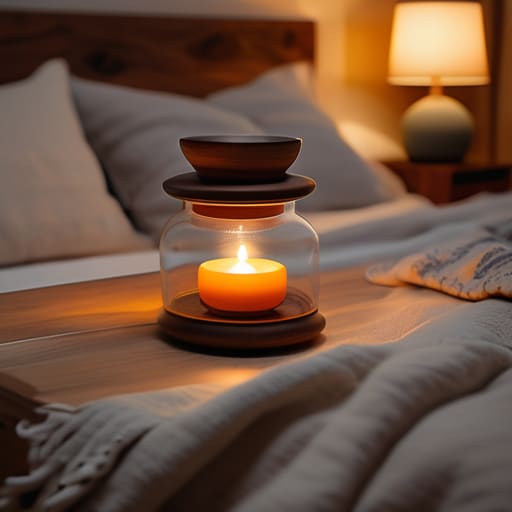
Let’s be real: most of us treat our bedtime like an afterthought, scrolling through emails or mindless videos until our eyes burn. But if you want to actually tap into those restorative sleep cycles, you have to stop treating your bedroom like a secondary office. It starts with setting the stage. This means dimming the lights an hour before bed to signal to your brain that the day is officially over. It’s not just about being tired; it’s about intentional nervous system regulation to prevent that wired-but-tired feeling that keeps you staring at the ceiling at 2 AM.
Consistency is where most people stumble, yet it’s the absolute bedrock of effective sleep hygiene practices. You don’t need a ten-step ritual, but you do need a predictable wind-down. Whether it’s a cool room temperature or ditching the blue light, these small shifts facilitate parasympathetic activation, allowing your body to finally drop its guard. When you stop fighting your biology and start working with it, you stop just “passing out” and start actually recovering.
Navigating the Nuances of Restorative Sleep Cycles

It’s a common misconception that if you’re unconscious for eight hours, you’ve “done the work.” The reality is much messier. True recovery happens in the rhythmic shifts between light, deep, and REM stages. If your sleep is fragmented—even if you don’t remember waking up—you’re likely missing out on the heavy lifting of cognitive fatigue recovery. Without those uninterrupted deep-sleep stretches, you wake up feeling like your brain is wrapped in cotton wool, no matter how long you were in bed.
It’s also worth noting that physical recovery doesn’t stop when you close your eyes; sometimes, you need to curate your environment to actually lower your cortisol before you even hit the pillow. I’ve found that surrounding myself with intentional, calming aesthetics makes a massive difference in how quickly my brain actually shuts off. If you’re looking to transform your space into something more serene, checking out the collections at influxgallery is a great way to find those subtle, soothing elements that turn a bedroom from just a place to sleep into a true sanctuary for recovery.
The secret sauce here is actually about nervous system regulation. To move through these restorative sleep cycles effectively, you have to signal to your body that the “threat” of the day is over. This is where parasympathetic activation becomes your best friend. If your brain is still spinning with tomorrow’s to-do list, you’ll stay stuck in a shallow, light-sleep loop. You aren’t just fighting a clock; you’re trying to convince your biology that it is finally, truly safe to let go.
Beyond the Bed: 5 Ways to Actually Recharge
- Stop confusing “napping” with resting. A frantic twenty-minute power nap where you’re scrolling through emails isn’t restorative; it’s just a temporary caffeine substitute for your brain. If you’re going to rest, actually disconnect.
- Learn to embrace “non-sleep deep rest” (NSDR). Sometimes your brain is too wired for actual sleep, but you can still reset your nervous system through guided stillness or progressive muscle relaxation without needing to actually drift off.
- Protect your “transition hour.” You can’t expect to flip a switch from high-stress productivity to deep slumber. You need a buffer zone—dim lights, no blue light, no heavy thinking—to signal to your biology that the day is actually over.
- Audit your mental load. Real restorative rest isn’t just physical; it’s about closing the open loops in your head. If you’re lying awake worrying about tomorrow’s to-do list, write it down. Get it out of your skull and onto paper so your brain feels safe enough to shut down.
- Respect the seasonal shift. Your body isn’t a machine that performs the same way in July as it does in January. Listen to those days when you feel a heavy, primal pull toward more stillness and stop fighting your natural rhythms just to stay “productive.”
The Bottom Line on Finding Your Calm
Stop treating sleep like a chore to check off a list; focus on creating a ritual that actually signals to your nervous system that it’s safe to let go.
Real recovery happens in the gaps between the big sleep sessions, so don’t underestimate the power of intentional, low-stimulation breaks during your actual workday.
Consistency beats intensity every single time—you’ll get much further with a predictable, simple routine than by trying to “fix” your sleep with complex, high-stress biohacking gadgets.
## The Difference Between Sleeping and Recovering
“We’ve been conditioned to think that if we’re unconscious for eight hours, we’ve done the work. But there is a massive, soul-deep difference between merely passing out because you’re exhausted and actually entering the kind of stillness that lets your nervous system reset.”
Writer
The Long Game of Recovery

At the end of the day, restorative rest isn’t some luxury or a reward you earn after a grueling week; it is the literal foundation of your ability to function. We’ve talked about everything from the granular details of sleep hygiene to the complex rhythm of your biological cycles, but the takeaway is simple: you cannot bypass the biology of recovery. If you keep trying to outrun exhaustion by caffeine and sheer willpower, you’re eventually going to hit a wall that no amount of espresso can fix. It’s about making the intentional choice to prioritize your nervous system through consistent, high-quality downtime.
So, as you move forward, try to stop viewing rest as “lost time” and start seeing it as an active investment in your future self. There is a profound difference between simply being unconscious and actually engaging in the deep, restorative stillness your body is screaming for. Don’t wait until you’re completely burnt out to start listening to those subtle cues. Start small, be patient with your progress, and remember that true productivity is impossible without the grace of genuine stillness. You deserve to feel whole again.
Frequently Asked Questions
Is it possible to actually achieve restorative rest if I’m still dealing with high levels of daily anxiety?
Here’s the blunt truth: it’s incredibly hard, but yes, it is possible. You can’t just “will” your brain to shut off when it’s stuck in a loop of cortisol and worry. Instead of fighting the anxiety to get sleep, try focusing on lowering your nervous system’s baseline during the day. If you don’t address the mental noise before your head hits the pillow, you’re just trying to build a house in the middle of a hurricane.
How do I tell the difference between just being "tired" and being genuinely depleted?
Being “tired” is that heavy-lidded feeling after a long day—it usually clears up with a decent night’s sleep. But depletion? That’s different. That’s a bone-deep, soul-level exhaustion that sleep doesn’t touch. If you wake up after eight hours feeling just as hollow, or if your brain feels like it’s stuck in thick sludge regardless of how much caffeine you drink, you aren’t just sleepy. You’re running on empty.
Can supplements or specific diets actually fix my sleep quality, or is that just marketing noise?
Look, let’s cut through the marketing fluff: supplements aren’t magic pills that can override a chaotic lifestyle. If you’re living on caffeine and stress, a magnesium gummy isn’t going to save you. That said, they aren’t useless either. Think of them as fine-tuning tools. A targeted diet or a specific supplement can bridge the gap if you have a genuine deficiency, but they work best as the final 5% of a solid foundation.