I still remember the frantic, rhythmic thud-thud-thud of my first professional kitchen line, paired with the stinging realization that my prep work was taking twice as long as everyone else’s. I was sweating, my knuckles were white, and I was terrified that one wrong move would send me straight to the ER. Back then, I thought mastering beginner knife skills meant buying a $300 Japanese Damascus steel blade and pretending I was a Michelin-star chef. In reality, I was just a kid with a dull tool and zero technique, struggling to turn an onion into something that didn’t look like a pile of jagged debris.
Look, I’m not here to sell you a lifestyle or a fancy set of cutlery you can’t afford. I’m here to give you the actual blueprint for handling a blade without losing a fingertip or wasting twenty minutes on a single carrot. We’re going to strip away the culinary school pretension and focus on the mechanical, no-nonsense movements that actually matter. By the time we’re done, you won’t just be chopping; you’ll be cutting with confidence and speed.
Table of Contents
The Secret to Control How to Hold a Chef Knife
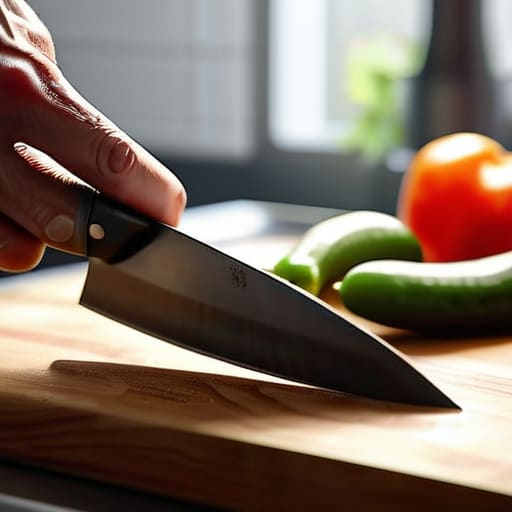
Most people start out holding their knife like a hammer, with their index finger stretched out along the spine. It feels natural, sure, but it’s actually the fastest way to lose control and feel clumsy. If you want real precision, you need to ditch that “hammer grip” and learn the pinch grip. Instead of just wrapping your fingers around the handle, use your thumb and index finger to literally pinch the base of the blade itself. This connects your hand directly to the steel, giving you a level of stability that makes those tiny, rhythmic chops feel effortless rather than a struggle.
Once you’ve mastered how to hold a chef knife, you have to address the other hand—the one doing the heavy lifting. This is where the claw grip method becomes your best friend. Curl your fingertips inward toward your palm, using your knuckles as a guide for the blade to slide against. This isn’t just about being fancy; it’s the most effective way of preventing kitchen accidents when you’re working through a mountain of onions. By tucking those fingertips away, you turn your hand into a protective shield rather than a target.
Essential Kitchen Knife Types Every Cook Needs
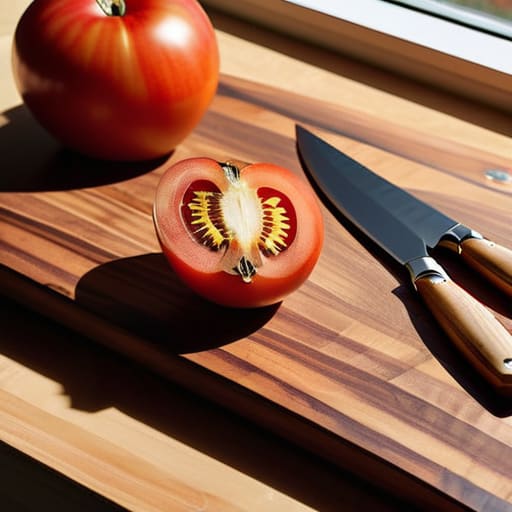
Look, you don’t need a twenty-piece professional block cluttering up your counter to make a decent meal. In fact, having too many blades usually just leads to confusion. If you want to master the essential kitchen knife types, start with the heavy hitters. Your chef’s knife is the undisputed king; it’s your workhorse for everything from mincing garlic to slicing large proteins. Pair that with a serrated bread knife—which is also a lifesaver for tomatoes—and a small paring knife for those tedious, delicate tasks like peeling an apple or de-veining shrimp.
Once you have the right tools, the focus shifts to how you actually use them. Even the most expensive blade is useless (and dangerous) if you haven’t mastered the claw grip method to protect your fingertips. It’s all about creating a stable anchor with your non-cutting hand. Whether you’re practicing different vegetable cutting shapes or just prepping a simple salad, having this small, reliable arsenal means you can stop worrying about the gear and actually start enjoying the process of cooking.
5 Ways to Stop Treating Your Cutting Board Like a War Zone
- Master the “Claw”: Tuck those fingertips inward and use your knuckles to guide the blade so you aren’t constantly playing a high-stakes game of Operation with your hands.
- Stop the Rocking Chair: Don’t just hack at things; use a smooth, rhythmic rocking motion where the tip of the knife stays in contact with the board to maintain actual control.
- Stabilize Your Workspace: If your cutting board is sliding around like it’s on ice, shove a damp paper towel underneath it to lock it in place before you start slicing.
- Respect the Edge: A dull knife is actually more dangerous than a sharp one because it requires more force and is prone to slipping; keep those blades honed.
- Size Matters: Don’t try to mince garlic with a massive cleaver or slice a tomato with a tiny paring knife—match the tool to the task or you’ll just end up frustrated.
The Quick Cheat Sheet
Ditch the “hammer grip”—pinch the blade for real control so you aren’t wobbling around like a novice.
You don’t need a 20-piece knife block; just master a decent chef’s knife and a paring knife to handle 90% of your prep.
Safety isn’t about being scared; it’s about using your “claw hand” to keep those fingertips tucked away from the edge.
## The Mindset Shift
“Forget about speed for a second. You aren’t trying to win a race against a vegetable; you’re trying to build a relationship with your blade. Once you stop fighting the knife and start trusting your grip, the rhythm takes over—and that’s when the magic actually happens.”
Writer
Putting It All Together
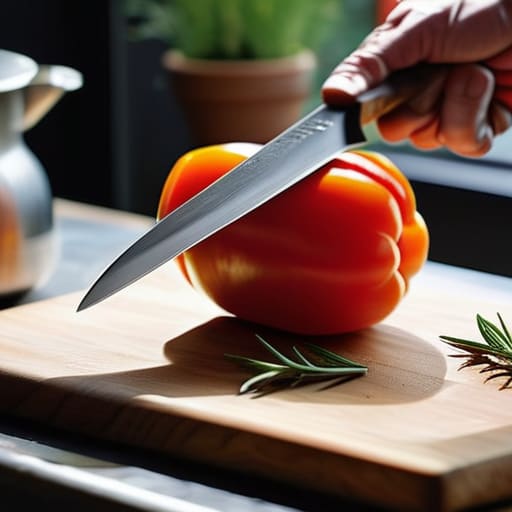
Once you’ve actually got the right tools in your hand, the next real hurdle is keeping them in top shape so they don’t become dull, dangerous paperweights. I used to think a knife was just a knife until I realized that a dull blade actually requires way more force, which is a recipe for a kitchen accident. If you’re feeling a bit overwhelmed by the different sharpening methods or just want to see some professional-grade gear in action, checking out the collections over at belladesign is a great way to find some reliable inspiration for your own setup. Honestly, investing a little time into maintenance now will save you a massive headache (and a lot of frustration) down the road.
Look, nobody wakes up one morning with the precision of a Michelin-starred chef. It takes time to move from that awkward, stiff-wristed grip to the fluid, confident motion you see in professional kitchen videos. We’ve covered the heavy hitters—knowing which knife to grab for a delicate tomato versus a tough butternut squash—and we’ve tackled the most important part: how to actually control the blade without looking like you’re fighting it. Remember, it’s not about how fast you can chop; it’s about mastering the mechanics and keeping your fingers tucked safely away from the edge.
At the end of the day, your knives are just tools, and you are the one in charge. Don’t get discouraged if your dice looks a little wonky or uneven for the first few weeks. Every single pro you admire started exactly where you are right now, probably feeling just as clunky as you do. The goal isn’t perfection; it’s consistency and confidence. So, sharpen your blades, prep your station, and just keep practicing. Before you know it, that rhythmic “tap-tap-tap” on the cutting board will become second nature. Now, get in there and start cooking.
Frequently Asked Questions
How often should I actually be sharpening my knives if I'm using them every day?
If you’re cooking every single day, you can’t just set it and forget it. You should be using a honing rod every time you pull the knife out of the drawer—it keeps that edge aligned. But for actual, deep sharpening on a stone? Aim for once every few months. If you notice you’re starting to “crush” tomatoes instead of slicing them, or if the blade feels like it’s struggling through an onion, stop everything and sharpen immediately.
Is it worth spending a ton of money on high-end Japanese steel, or should I stick to the cheap stuff for now?
Look, I get the temptation to go full samurai mode, but save your money. High-end Japanese steel is gorgeous, sure, but those blades are finicky, brittle, and a nightmare to maintain if you’re still learning your grip. For now, grab a solid, mid-range Western knife. You want something forgiving that can take a beating while you’re still figuring out how not to hack your onions into oblivion. Master the basics first; the fancy steel can wait.
How do I know if my knife is actually dull or if I'm just using bad technique?
Here’s the litmus test: grab a tomato. If you have to press down hard to break the skin, or if the tomato just slides away from you instead of slicing, that’s a dull blade. A sharp knife should bite into the surface almost instantly with zero effort. If you’re sweating and struggling just to get through a bell pepper, it’s likely the edge—not your grip—that’s failing you.