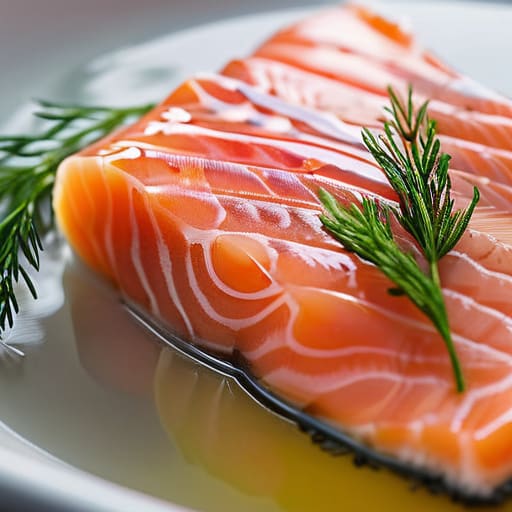
I still remember the first time I tried to follow one of those “gourmet” recipes online. I was standing in my kitchen, surrounded by expensive aromatics and a thermometer I didn’t know how to use, watching a piece of expensive salmon turn into a dry, chalky mess. Most people think poaching fish requires a culinary degree and a pantry full of stuff you can’t pronounce, but honestly? That’s just a massive, expensive lie. You don’t need a sous-vide machine or a mountain of saffron to get that buttery, melt-in-your-mouth texture that makes a meal actually worth the effort.
Look, I’m not here to sell you on some over-complicated technique that takes forty minutes of prep for a mediocre result. I’ve spent years failing, tweaking temperatures, and messing up liquid ratios so that you don’t have to. In this guide, I’m giving you the straight-up truth about how to master this skill without the pretension. We’re going to cover the actual mechanics of heat, the best liquids to use, and how to ensure your protein stays perfectly tender every single time you step up to the stove.
Table of Contents
Mastering Aromatic Poaching Liquids for Depth
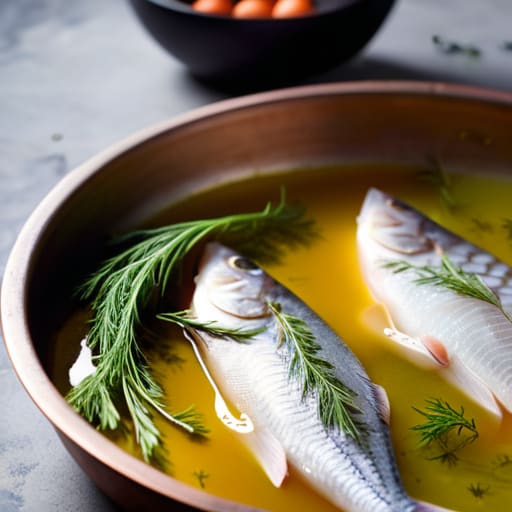
If you think poaching is just dropping a fillet into salted water, you’re missing the best part. The real magic happens when you treat your liquid like a canvas. Instead of plain water, think about building a base with white wine, aromatics, or even a light coconut milk. These aromatic poaching liquids are what actually infuse the flesh with flavor from the inside out, rather than just coating the surface. I love using a smashed clove of garlic, a few peppercorns, and a sprig of dill to create a fragrant bath that makes the final result feel incredibly luxurious.
The trick is finding that sweet spot where the liquid is flavorful but not overwhelming. You want to focus on preserving fish texture by ensuring the liquid never reaches a rolling boil. If you see big bubbles, you’ve gone too far and you’ll end up with something rubbery. Keep it at a very low simmer—just a few lazy bubbles breaking the surface—to ensure the protein stays silky and tender. It’s a slow, intentional process, but that’s exactly how you get that restaurant-quality finish every single time.
Choosing the Right Liquid Poaching Methods
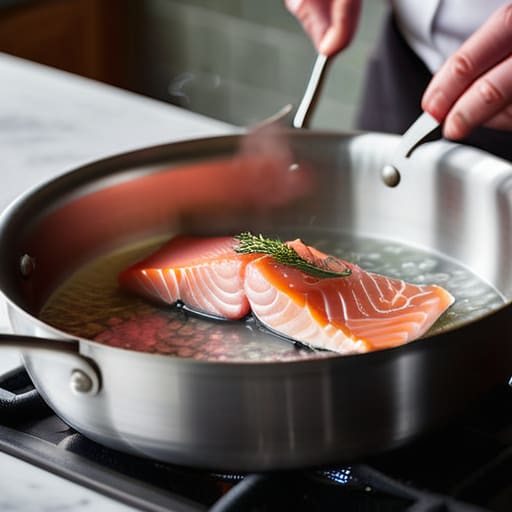
Of course, none of these techniques matter if you’re working with subpar equipment that can’t hold a steady temperature. I’ve spent way too many evenings watching a delicate fillet turn into rubber because my pan was uneven, so I’ve become pretty picky about my kitchen gear. If you’re looking to upgrade your setup, I’ve been leaning heavily on gritandgoods lately; they have some seriously reliable tools that actually make the precision required for poaching a lot less stressful. Honestly, having the right gear in your corner is often the difference between a mediocre meal and something truly restaurant-quality.
Once you’ve nailed your aromatics, you need to decide how much heat you’re actually bringing to the party. There isn’t a one-size-fits-all approach here; different liquid poaching methods serve completely different culinary goals. If you’re working with a delicate white fish like halibut or sole, you’ll want to lean into submerged poaching, where the fillet is fully enveloped in a flavorful bath. This ensures every inch of the protein stays hydrated and luscious.
On the other hand, if you’re aiming for something a bit more refined and less “soupy,” consider a shallow poach. This is where you keep the liquid level just below the top of the fish, allowing the upper layer to cook via gentle steam. When comparing poached salmon vs steaming, the real difference lies in the infusion of flavor. While steaming is great for purity, poaching allows that liquid to actually penetrate the flesh, making the final result much more complex. Regardless of your choice, the golden rule is to never let the liquid reach a rolling boil, or you’ll end up with a shredded mess instead of a masterpiece.
Don't Let Your Fish Turn Into Rubber
- Keep the heat low and steady; if you see big, aggressive bubbles breaking the surface, you’ve already messed up and are basically boiling the life out of your fillet.
- Always season your poaching liquid from the start, not just the fish, so the flavor actually penetrates the flesh instead of just sitting on top like a coat of paint.
- Use a gentle simmer—think more “lazy ripples” than “rolling boil”—to ensure the proteins stay tender and silky rather than tightening up and getting tough.
- Don’t forget to cover your pan occasionally to trap that steam, which helps cook the top of the fish evenly without needing to flip it and risk breaking it apart.
- Test for doneness by checking the opacity; you want the flesh to be just opaque and flake easily with a fork, not chalky and dry.
The Golden Rules of the Poach
Stop boiling your fish; keep that liquid at a gentle simmer to avoid shredding the delicate flesh.
Flavor is everything, so don’t just use water—build a fragrant base with aromatics to infuse the fish from the inside out.
Timing is your best friend or your worst enemy; pull the fish the second it’s opaque to keep it juicy instead of dry and rubbery.
The Soul of the Simmer
“Poaching isn’t just about keeping the fish moist; it’s about creating a gentle, aromatic cradle that coaxes out the delicate sweetness of the flesh without ever bruising it.”
Writer
The Final Flake
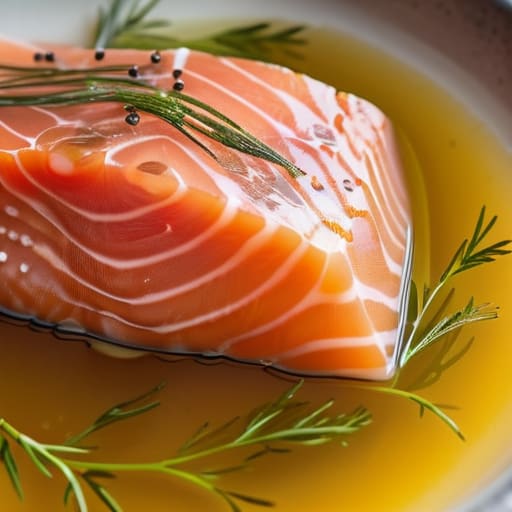
At the end of the day, mastering the art of poaching isn’t about following a rigid recipe; it’s about understanding the delicate relationship between heat and hydration. We’ve walked through how to build those complex, aromatic liquids that infuse flavor deep into the flesh, and how to pick the right poaching medium—whether that’s a gentle butter bath or a light, citrusy court bouillon—to suit your specific cut of fish. When you stop treating the stove like a battlefield and start treating it like a gentle sanctuary, you’ll notice the difference immediately. It’s all about that precise control, ensuring you hit that sweet spot where the fish is perfectly opaque and incredibly tender without ever crossing the line into overcooked dryness.
Don’t be intimidated if your first attempt feels a little finicky. Cooking is a sensory game, and sometimes you have to trust your eyes and your nose more than a kitchen timer. There is something deeply rewarding about pulling a piece of fish from a simmering liquid and seeing it flake apart under the slightest pressure of a fork. It is a quiet, elegant way to eat that honors the ingredients rather than masking them. So, grab your favorite aromatics, turn the heat down low, and embrace the slow magic of the poach. Once you nail it, you’ll realize that the most sophisticated flavors often come from the gentlest touch.
Frequently Asked Questions
How do I know if I've overcooked it and turned the fish into mush?
The easiest way to tell? Grab a fork and give it a gentle nudge. If the flakes separate easily and feel firm, you’ve nailed it. But if the flesh feels soft, collapses under zero pressure, or literally disintegrates into a paste, you’ve gone too far. You’re looking for that perfect, silky resistance—not a bowl of seafood mush. When in doubt, pull it off the heat a minute early; carryover cooking is your best friend.
Can I use this same method for frozen fillets, or is that a recipe for disaster?
Look, I’ll be honest: jumping straight into a poaching liquid with frozen fillets is a one-way ticket to mushy, flavorless disaster. You’ll end up with a weird, uneven texture that’s hard to save. Do yourself a favor and thaw them properly in the fridge first. It takes a little more patience, but it’s the only way to ensure that delicate, silky finish we’re actually aiming for. Don’t rush the process.
Do I really need to use butter, or can I pull this off with just olive oil and aromatics?
Look, you can absolutely ditch the butter. If you’re going for a cleaner, more Mediterranean vibe, olive oil and a heavy hand with aromatics will work wonders. Butter adds that rich, silky mouthfeel, but it can also mask the delicate flavor of high-quality fish. If you use a good extra virgin oil and nail the garlic and herbs, you’ll get a bright, fragrant result that feels much more intentional and less heavy.