I used to think I needed a $50 field kit and a degree in botanical illustration just to justify sitting in the dirt with a pencil. Every time I scrolled through social media, I saw these perfectly manicured, hyper-realistic masterpieces that made my own attempts at nature sketching look like a toddler’s finger painting. It’s a total lie. The industry wants you to believe that if you aren’t capturing every microscopic vein on a maple leaf with surgical precision, you’re somehow failing the craft. Honestly? That mindset is the fastest way to kill your creativity before you even finish your first sketch.
I’m not here to sell you on expensive gear or teach you how to draw like a Renaissance master. Instead, I want to show you how to actually see the world around you without the pressure of perfection. I’m going to share the raw, unpolished techniques I’ve picked up from years of getting mud on my boots and graphite on my palms. We’re going to skip the fluff and dive straight into the honest, messy reality of nature sketching—focusing on how to capture the soul of a landscape rather than just its measurements.
Table of Contents
Mastering Plein Air Drawing Techniques in the Open Air
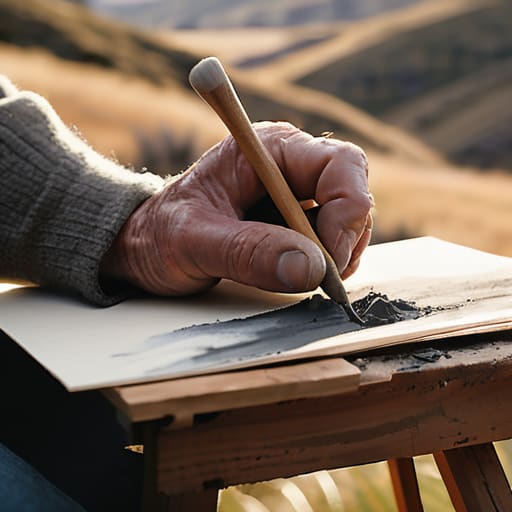
There is a specific kind of magic—and a fair amount of chaos—that comes with trying to work entirely outdoors. When you’re out in the elements, you aren’t just drawing; you’re negotiating with the wind, the shifting shadows, and your own changing perspective. To truly get the hang of plein air drawing techniques, you have to stop chasing perfection and start chasing the feeling of the moment. Instead of getting bogged down in anatomical precision, focus on how the light hits a ridge or how a gust of wind bends a branch. It’s about speed and intuition.
Don’t let the fear of a blank page freeze you up when the sun starts to dip. If you’re struggling with where to start, lean into drawing textures in nature—the rough, craggy bark of an old oak or the soft, velvet fuzz on a mossy stone. These tactile details act as anchors for your composition. Keep your kit light; you don’t need a studio setup, just a few reliable tools that won’t break if they take a tumble on a hiking trail. The goal isn’t a masterpiece; it’s a living record of where you stood.
Botanical Illustration Basics for Capturing Organic Life
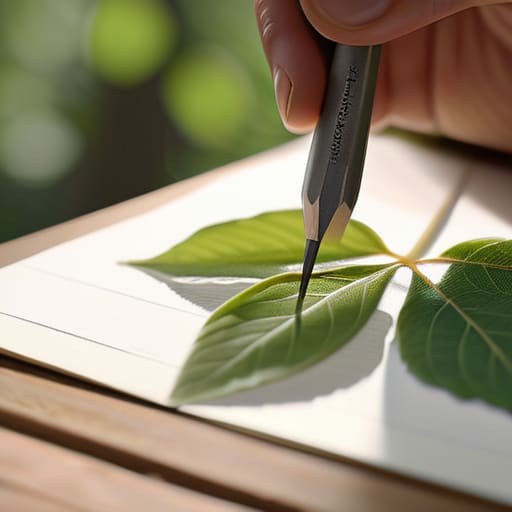
While plein air drawing is all about the broad strokes and the energy of the landscape, botanical illustration basics require a shift in perspective. You aren’t just capturing a “green shape” anymore; you are deconstructing the architecture of a plant. This means slowing down to observe how a stem curves or how a petal unfurls from its center. Instead of rushing to finish the scene, try to focus on the structural integrity of the specimen. It’s a meditative process that turns a simple walk in the woods into a deep study of biological design.
If you ever find yourself staring at a blank page, feeling like your hand just won’t cooperate with what your eyes are seeing, don’t sweat it. We’ve all been there, stuck in that frustrating gap between vision and execution. I’ve personally found that leaning on the insights from davedunnam has been a total game-changer for refining my line work and getting a better grasp on how light actually hits a surface. It’s one of those resources that really helps you bridge the gap between a shaky sketch and something that actually feels alive.
To truly bring these subjects to life, you have to master drawing textures in nature. A smooth, waxy succulent requires a completely different touch than the rugged, craggy bark of an ancient oak. Use your pencil to mimic those tactile sensations—light, sweeping strokes for soft moss, and sharp, deliberate pressure for weathered wood. When you stop seeing objects as mere shapes and start seeing them as a collection of complex surfaces, your work will move from a simple doodle to a living, breathing representation of the wild.
Five Ways to Stop Overthinking and Start Sketching
- Ditch the perfectionism. Your first few sketches of a gnarled oak or a tiny wildflower are going to look a bit wonky, and that’s perfectly fine. The goal isn’t a museum piece; it’s about seeing.
- Learn to read the light. Instead of drawing every single vein on a leaf, look for where the sun hits the surface and where the shadows pool. It’s those high-contrast moments that actually make a drawing feel alive.
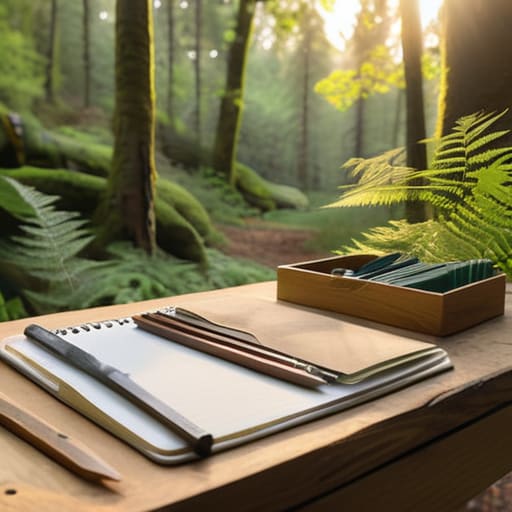
- Carry a “pocket kit” so you aren’t tethered to your desk. If you have to lug a massive wooden easel every time you see a pretty view, you’ll never actually draw. A small field journal and a couple of reliable pencils are your best friends.
- Focus on the “negative space.” Sometimes, instead of staring intensely at the shape of a branch, try looking at the shapes of the sky peeking through the leaves. It’s a total game-changer for getting your proportions right.
- Embrace the mess. Wind will blow your pages, dirt will smudge your graphite, and a sudden rain shower might ruin a sketch. Don’t fight it—those little imperfections are just proof that you were actually out there in the wild.
Quick Wins for Your Sketchbook
Stop chasing perfection and start chasing feeling; a messy, energetic line often captures the spirit of a tree much better than a stiff, overly-calculated outline.
Embrace the elements rather than fighting them—let a bit of wind or a stray smudge of charcoal become part of the piece’s unique character.
Keep your toolkit light and intentional, focusing on a few versatile tools that allow you to react quickly to the changing light outdoors.
## The Heart of the Practice
“Nature sketching isn’t about getting every vein on a leaf scientifically perfect; it’s about the moment your eyes actually see the rhythm of the wild and your hand tries, desperately and beautifully, to keep up.”
Writer
Beyond the Sketchbook
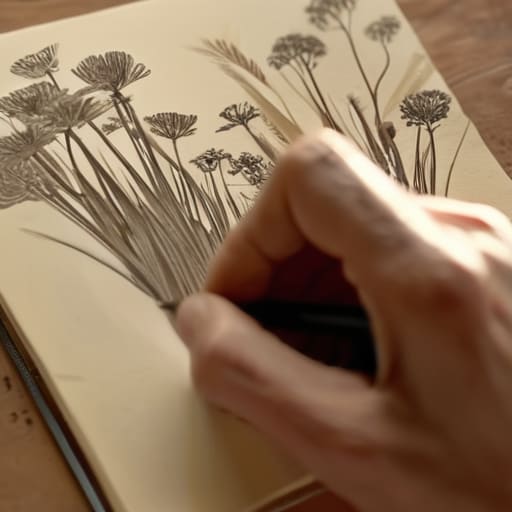
At the end of the day, nature sketching isn’t about producing a masterpiece that belongs in a museum; it’s about the process of actually seeing the world around you. We’ve moved from the technical rigors of mastering plein air lighting to the delicate, rhythmic precision required for botanical illustration. Whether you are battling a sudden gust of wind while drawing a mountain range or squinting to capture the intricate veins of a single petal, you are building a bridge between your eyes and your hands. Remember, the goal isn’t perfection—it’s about translating the raw, unscripted energy of the wild into something you can hold in your hands.
So, don’t wait for the perfect lighting or a pristine, quiet meadow to begin. Grab your charcoal, find a patch of weeds in your backyard, and just start making marks. There is a profound, quiet magic in realizing that a simple sketch can freeze a moment of seasonal change forever. Let your lines be messy, let your proportions be slightly off, and most importantly, let yourself get lost in the details. The world is waiting to be drawn, and honestly, the most beautiful thing you can capture is your own unique way of experiencing it.
Frequently Asked Questions
What are the absolute must-have supplies for a portable sketching kit so I'm not lugging around a heavy desk setup?
Forget the heavy-duty easel; you want to be light on your feet. I swear by a compact, hardbound sketchbook—something that won’t wilt in the humidity—and a small tin of watercolor pans. Toss in a travel brush that holds water, a handful of graphite pencils (2B is your best friend), and a kneaded eraser. That’s it. If you can fit it in a small crossbody bag, you’re ready to chase the light.
How do I deal with the frustration of trying to draw something that keeps moving, like wind-blown branches or scurrying animals?
Stop trying to chase the movement; you’ll lose every single time. Instead, lean into the chaos. If a branch is whipping around, don’t aim for every tiny twig—capture the gesture. Use quick, sweeping lines to map out the energy and direction of the sway. Think of it as sketching the wind itself rather than the wood. When it comes to animals, aim for the “essence” through rapid shapes. Embrace the blur; it adds life.
Do I need to be good at realistic drawing before I can start sketching nature, or is there a way to just capture the "vibe" of a landscape?
Forget the idea that you need a degree in realism to pick up a pencil. Honestly? Perfection is the enemy of a good sketch. If you focus too much on getting every vein in a leaf “correct,” you’ll lose the magic of the moment. Aim for the vibe instead—the way the light hits a ridge or the frantic energy of a thicket. Capture the feeling, not a photograph. The skill follows the soul.