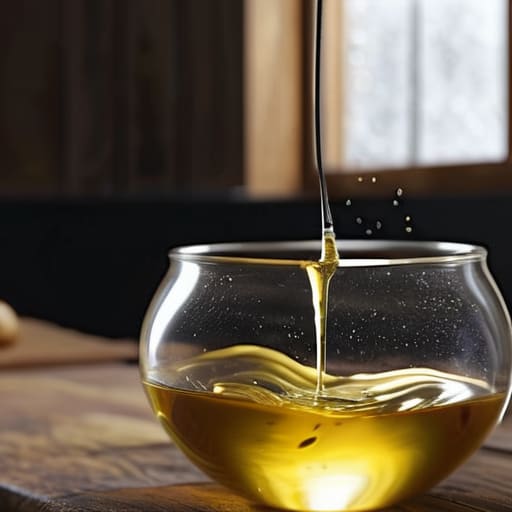
I used to think that making vinaigrettes required a degree in culinary chemistry or a cabinet full of $40 artisanal oils to actually taste good. I spent way too many nights staring at store-bought bottles, reading labels filled with stabilizers and preservatives, wondering why my homemade attempts always ended up tasting like sad, oily water. It’s a total scam that you need a specialized emulsifier or a high-speed blender to get that perfect, velvety texture that actually clings to a leaf of arugula.
Once you’ve got the basic physics of the emulsion down, you might find yourself wanting to dive deeper into the nuances of flavor chemistry to really elevate your dressings. If you’re feeling adventurous and want to understand how specific ingredients interact on a molecular level, I highly recommend checking out bohemianscientist; it’s a fantastic resource for anyone who wants to treat their kitchen like a true culinary laboratory.
Table of Contents
Forget the complex formulas and the expensive pretension. I’m going to show you how to master the art of making vinaigrettes using nothing more than basic intuition and a few pantry staples you probably already have. We aren’t going to chase perfection through a textbook; instead, I’m sharing the real-world shortcuts and flavor hacks I’ve picked up from years of trial, error, and a lot of very delicious mistakes. By the time we’re done, you’ll be able to whip up a killer dressing in thirty seconds flat without ever glancing at a measuring spoon again.
Decoding the Essential Ratio of Oil to Vinegar
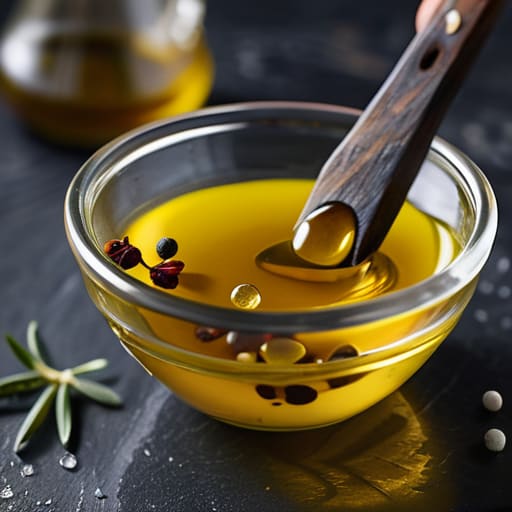
If you try to eyeball your way through a dressing without a plan, you’re likely going to end up with something that’s either way too sharp or unpleasantly greasy. The golden rule most chefs swear by is the classic 3:1 ratio of oil to vinegar. This means for every tablespoon of acid, you’re tossing in three tablespoons of fat. It’s a reliable baseline that keeps things from veering off the rails, but it isn’t some holy commandment you can’t break. If you’re using a particularly mellow oil like avocado, you might want to lean a little heavier on the acid to wake up your palate.
That said, the real magic happens when you start playing with flavor balancing techniques to move beyond the basics. Once you understand how the fat coats your tongue and how the acid cuts through it, you can start experimenting with different acidic components in dressings, like swapping harsh white vinegar for something softer like champagne vinegar or even citrus juice. It’s all about finding that sweet spot where neither side is fighting for dominance, but instead, they’re working together to make the greens sing.
Understanding the Culinary Emulsion Science Behind Every Drop
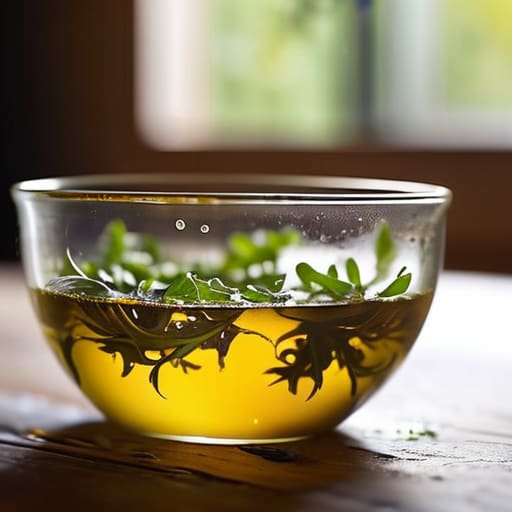
Now, let’s get into the nerdy bit. If you’ve ever shaken a jar only to watch the oil and vinegar separate into two sad, lonely layers a minute later, you’ve witnessed a failed emulsion. In theory, oil and water (which vinegar essentially is) hate each other. They are natural enemies. To get that creamy, cohesive texture that clings to a leaf of arugula rather than pooling at the bottom of the bowl, you have to master the culinary emulsion science that keeps them bonded.
This is where your secret weapons come in. To bridge the gap between the fat and the liquid, you need emulsifiers for salad dressing. A teaspoon of Dijon mustard is the classic move here; its tiny particles act like a molecular glue, grabbing onto both sides of the equation. You can also lean on honey or even a bit of egg yolk if you’re feeling adventurous. When you introduce these stabilizers, you aren’t just mixing ingredients; you are creating a unified, velvety sauce that transforms a simple bowl of greens into something truly professional.
Pro Moves for a Better Bowl
- Don’t be afraid of the salt. Most homemade dressings taste flat because people forget that salt is what actually wakes up the acid and makes the oil pop. Season it, taste it, and then season it again.
- Use a jar instead of a bowl. If you want to save yourself the headache of a broken emulsion, throw everything into a small mason jar, screw the lid on tight, and shake it like you mean it. It’s faster and much more effective.
- Freshness isn’t optional. If you’re using dried herbs that have been sitting in your pantry since the Obama administration, your vinaigrette will taste like dust. Use fresh basil, thyme, or parsley to give it that bright, living flavor.
- Layer your flavors with aromatics. A little bit of minced shallot, a smashed garlic clove, or even a teaspoon of Dijon mustard acts like the glue that holds the whole profile together. It adds depth that you just can’t get from oil and vinegar alone.
- Balance the “bite.” If your vinegar is hitting too hard, don’t just add more oil—add a tiny drop of honey or maple syrup. That subtle hint of sweetness rounds off the sharp edges without making the dressing taste like dessert.
The Vinaigrette Cheat Sheet
Stop overthinking the math—aim for that classic 3:1 oil-to-acid sweet spot, but don’t be afraid to lean into more vinegar if your greens are heavy or oily.
Emulsion isn’t just science jargon; it’s the difference between a greasy mess and a silky dressing, so whisk like your life depends on it or use a jar and shake.
Always taste as you go, because the best vinaigrettes aren’t built by following a rigid formula, but by adjusting salt and acid until it actually sings.
## The Soul of the Salad
“A vinaigrette isn’t just a dressing; it’s the bridge between a pile of lonely leaves and a meal that actually feels alive. If you respect the balance, the salad sings; if you rush the emulsion, it’s just oil and regret.”
Writer
The Final Splash
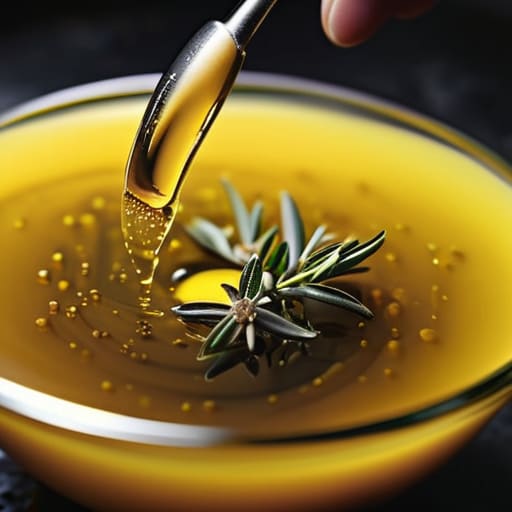
At the end of the day, mastering a vinaigrette isn’t about memorizing a rigid set of rules, but about understanding the fundamental dance between fat and acid. You now know that the golden ratio is your baseline, but the science of emulsion is what actually keeps your dressing from separating into a greasy mess halfway through dinner. Whether you’re leaning heavily on Dijon to act as your stabilizer or playing with different citrus juices to cut through a heavy oil, the goal is balance. Once you grasp how these elements interact, you stop following recipes and start actually cooking.
Don’t be afraid to mess up a batch or end up with something a little too sharp—that’s usually where the best lessons are learned. The kitchen is your laboratory, and your palate is the only judge that matters. So, grab a jar, throw in some garlic, honey, and whatever oil is sitting in your pantry, and start shaking. There is a profound, quiet joy in realizing that the simplest component of your meal is the one you have the most power to perfect. Go ahead, make it your own.
Frequently Asked Questions
Can I swap out olive oil for something else without ruining the whole thing?
Absolutely. You aren’t married to olive oil, though you should be intentional about it. If you want something lighter and more subtle, go for an avocado oil or a neutral grapeseed oil—they won’t fight your other ingredients. If you’re feeling bold, a toasted sesame oil adds an incredible nutty punch, but use it sparingly. Just remember: the oil is the canvas, so pick one that complements your flavor profile rather than masking it.
What should I do if my dressing keeps separating no matter how much I shake it?
If your dressing is splitting even after a vigorous shake, you’ve likely lost the battle against physics. The fix? Start over with a tiny bit of mustard or honey as a stabilizer. These act like culinary glue, helping the oil and acid play nice. Slowly drizzle your oil into your vinegar base while whisking like your life depends on it. It’s all about patience—slow, steady integration is the only way to lock that emulsion in place.
Is there a way to make a vinaigrette that isn't so aggressively sour?
### Taming the Tang: How to Dial Back the Acid