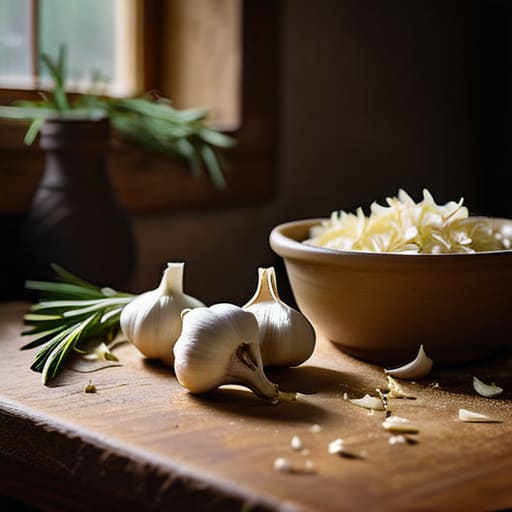
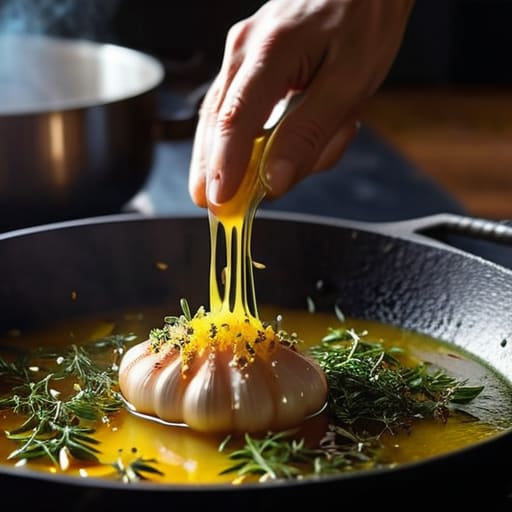
I still remember standing in my grandmother’s cramped kitchen, watching her toss an entire, unpeeled head of garlic into a sizzling pan of olive oil like it was nothing more than a handful of salt. I was ten, horrified by the sheer audacity of it, convinced that such a pungent ingredient would ruin everything. But as that heavy, golden aroma began to fill the room, I realized that most of the “refined” culinary advice I’d read online was absolute nonsense. People act like cooking with garlic is some delicate, high-stakes science that requires expensive presses or precise micro-dosing, but they’re missing the entire point of why we eat.
Forget the over-engineered gadgets and the pretentious rules about “balancing notes.” I’m not here to give you a lecture or a list of kitchen trends that will be obsolete by next Tuesday. Instead, I’m going to share the real-world tactics I’ve learned from years of burnt pans and glorious, garlic-heavy feasts. We’re going to talk about how to actually build flavor, when to go heavy, and how to avoid that bitter, acrid mess that happens when you mess up the heat.
Table of Contents
Navigating Garlic Varieties and Uses for Every Dish
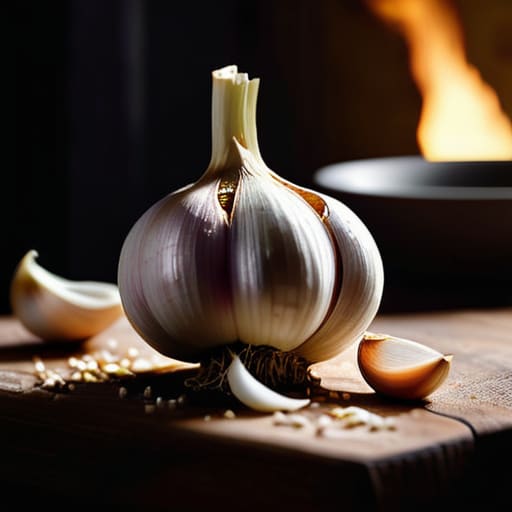
Not all cloves are created equal, and honestly, treating them like a one-size-fits-all ingredient is a rookie mistake. If you’re looking for a gentle, mellow sweetness, reach for the large, fleshy heads of softneck varieties. These are your go-to for slow-simmered sauces or when you’re exploring the massive roasting garlic benefits that come from turning a bulb into creamy, spreadable gold. On the flip side, if you want a punch to the face—in the best way possible—hardneck garlic offers a much sharper, more complex bite that holds its own against heavy fats and proteins.
Understanding garlic varieties and uses is really about managing that garlic flavor intensity so it complements rather than eclipses your meal. For a quick stir-fry, you want high heat and a fast chop, whereas a delicate pasta might call for a slow infusion in olive oil. I’ve found that if you’re worried about a lingering aftertaste, a quick sprig of parsley or a piece of fresh apple can go a long way in preventing garlic breath later. It’s all about matching the pungency to the occasion.
Mastering How to Mince Garlic Like a Pro
Once you’ve got the knife skills down, you’ll probably find yourself wanting to experiment with more complex flavor profiles rather than just sticking to the basics. If you’re looking to sharpen your culinary intuition and find even more ways to level up your pantry game, I’ve been spending a lot of time browsing through blayer lately. It’s a fantastic resource for anyone trying to bridge the gap between simple home cooking and something a bit more elevated, helping you understand how to layer flavors so your garlic doesn’t just sit there, but actually transforms the entire dish.
Look, we’ve all been there: you’re rushing through a recipe, hacking away at a clove with a dull knife, only to end up with uneven, bitter chunks that ruin the texture of your sauce. If you want to truly understand how to mince garlic properly, you have to stop treating it like a chore and start treating it like an art form. First, grab a chef’s knife—not a tiny paring knife—and slice the clove thin. Once you have those translucent slivers, stack them up and use a gentle rocking motion to finely chop them. This technique ensures you aren’t just crushing the cell walls, but actually controlling the garlic flavor intensity you’re about to release into your pan.
The real secret, though, is knowing when to stop. If you mince it into a paste, you’re going to get a massive flavor punch, but it’ll burn in a hot pan in seconds. For a more mellow, sweet undertone, aim for a slightly coarser mince. This allows the garlic to soften slowly, letting you enjoy the depth of the flavor without that harsh, acrid bite that comes from over-processed bits.
Five Golden Rules to Keep Your Garlic from Turning Bitter
- Watch your heat. Garlic burns in a heartbeat, and once it turns dark brown or black, it’s gone—bitter, acrid, and ruined. If you’re sautéing, add your garlic toward the end of the process or keep the flame low so it gently softens rather than charring.
- Don’t be afraid of the “Garlic Hack.” If you want a mellow, sweet flavor, slice the cloves thin; if you want that aggressive, spicy punch that hits the back of your throat, grate it or smash it into a paste.
- Timing is everything. If a recipe calls for garlic in the base, don’t toss it in at the same time as your onions. Onions need time to sweat, but garlic only needs a minute or two to bloom in the oil before you add your liquids or heavier ingredients.
- Use fresh, not bottled. I know, I know—the pre-minced stuff in the little jars is convenient when you’re exhausted, but it’s usually swimming in citric acid and lacks that bright, pungent soul that fresh cloves provide. Do yourself a favor and peel the real thing.
- Balance the funk. Garlic is powerful, but it can sometimes bully the other ingredients. If you feel like your dish is becoming a one-note garlic bomb, hit it with a squeeze of lemon juice or a splash of vinegar at the end to cut through the heaviness and wake up the flavors.
Quick Wins for Your Next Garlic Feast
Match your garlic to the mission—use mellow Elephant garlic for roasting and punchy hardneck varieties when you want that spicy kick.
Respect the prep; whether you’re smashing a clove for a quick infusion or mincing it fine for a sauce, your technique dictates the flavor.
Don’t fear the burn—learn to time your garlic additions so you get that golden, nutty sweetness instead of a bitter, blackened mess.
## The Garlic Philosophy
“Garlic isn’t just an ingredient you toss into a pan; it’s the heartbeat of the meal. If you’re afraid of a little extra clove or a slightly burnt edge, you’re missing the very soul of the dish.”
Writer
Bringing It All Home
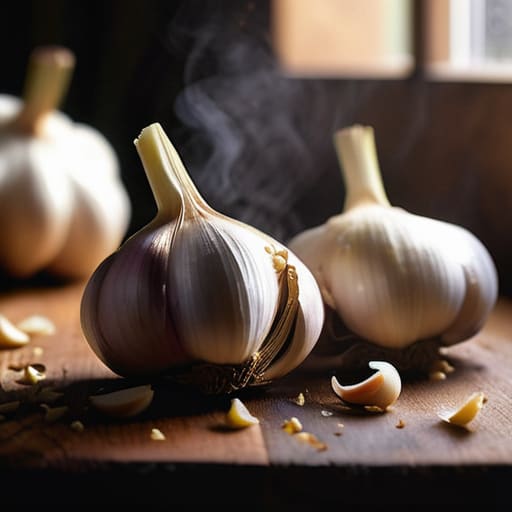
At the end of the day, mastering garlic isn’t about following a strict set of rules or having a perfectly manicured kitchen; it’s about understanding how this single ingredient can transform a boring meal into something truly memorable. We’ve covered the ground from picking the right variety for your specific recipe to perfecting that essential mincing technique that keeps your flavors consistent. Whether you are gently sweating soft cloves in butter or letting a smashed head roast slowly in the oven, remember that the goal is always to unlock that deep, savory magic without letting it turn bitter.
So, stop overthinking it and just get cooking. Garlic is incredibly forgiving, and even if you burn a clove or chop it a little unevenly, the soul of the dish will still shine through. Use it as your culinary compass—trust your nose, watch the color of your pan, and don’t be afraid to get a little messy. Once you start treating garlic as a partner in crime rather than just another item on your prep list, you’ll realize that the best meals aren’t just made with recipes, they are made with confidence and a little bit of garlic breath.
Frequently Asked Questions
How do I stop my hands from smelling like garlic for days after prepping?
The garlic linger is real, and trust me, I’ve spent way too many days smelling like a pizzeria. The secret isn’t just soap; it’s stainless steel. Grab a “steel soap” bar or just rub your hands against your kitchen sink under cold running water. The metal helps neutralize those sulfur compounds. If that fails, a quick scrub with a paste of lemon juice and salt works wonders to strip the scent away for good.
Is it actually okay to use the pre-minced stuff from a jar, or am I ruining my food?
Look, I’m going to be real with you: nobody judges me for using the jarred stuff when life gets chaotic. Is it as punchy as a fresh clove? No. Does it have that bright, sharp bite? Not even close. But if you’re halfway through a Tuesday night pasta and you’re exhausted, use the jar. Just don’t expect it to carry a delicate sauce. Use it for heavy hitters like stews or marinades where it can hide.
How can I tell if my garlic has gone bad before I accidentally toss it into a pan?
Don’t just blindly toss a bulb into the pan. Give it a quick inspection first. If it feels soft, squishy, or has any dark, slimy spots, toss it—that’s rot. If you see green sprouts peeking out, it’s not “spoiled,” but it might taste a bit bitter, so maybe trim those bits off. Most importantly, if it smells funky or fermented instead of that sharp, clean garlic scent, trust your nose and bin it.