I still remember the first time I tried to impress a date with a “fancy” dinner, only to end up staring at a pan of grey, weeping mushrooms that looked more boiled than fried. I had followed a recipe to the letter, yet I completely missed the mark because I didn’t actually understand the physics of the pan. Most people think stovetop sautéing is just tossing things in oil and hoping for the best, but if you aren’t listening for that aggressive, rhythmic hiss the moment your ingredients hit the heat, you’re basically just steaming your food in its own juices.
Forget the overly precious culinary school lectures and the expensive, specialized gear you don’t actually need. I’m not here to give you a lecture on molecular gastronomy; I’m here to give you the real-world mechanics of heat, fat, and timing. We’re going to strip away the fluff and focus on the practical, battle-tested techniques that ensure your veggies stay crisp and your proteins get that perfect, golden crust. By the time we’re done, you’ll have mastered the art of the sizzle without the unnecessary headache.
Table of Contents
Mastering the Maillard Reaction in Sauting
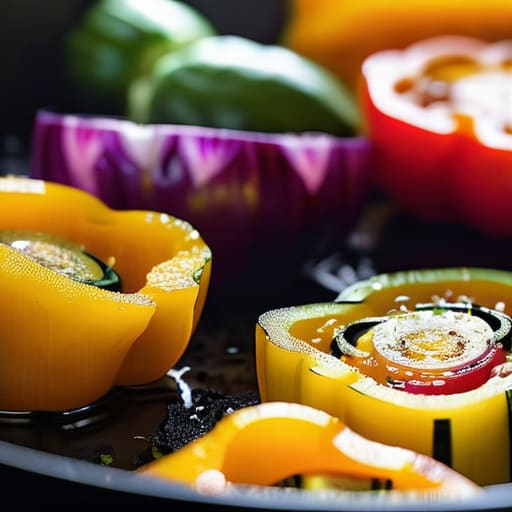
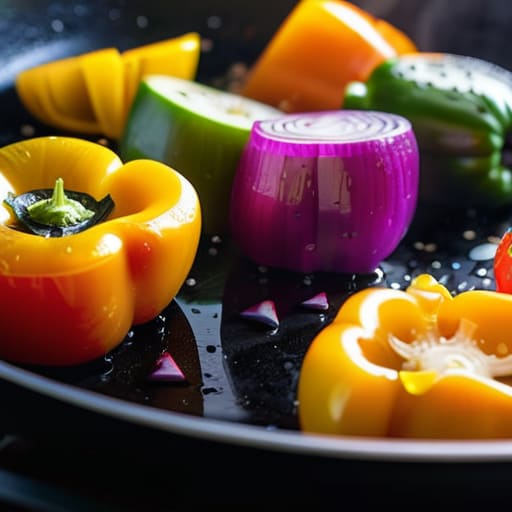
If you’ve ever pulled a pan of vegetables out of the stove only to find them limp, gray, and sad, you haven’t mastered the science of the sear. To get those deep, caramelized flavors, you have to embrace the maillard reaction in sautéing. This isn’t just about cooking food; it’s a chemical dance between amino acids and sugars that happens when things get hot enough. If your pan is too cool, your ingredients will essentially boil in their own juices, leading to the dreaded “steamed” texture rather than a crisp, golden finish.
The secret weapon here is strict skillet temperature control. You want to wait for that moment when the oil just begins to shimmer—or even faint wisps of smoke appear—before you crowd the pan. If you dump a mountain of cold produce in at once, the temperature plummets, and you’re back to square one. Instead, work in batches. Give every morsel enough breathing room to actually touch the metal and develop that gorgeous, crusty exterior that makes a dish go from mediocre to restaurant-quality.
Precision Through Skillet Temperature Control
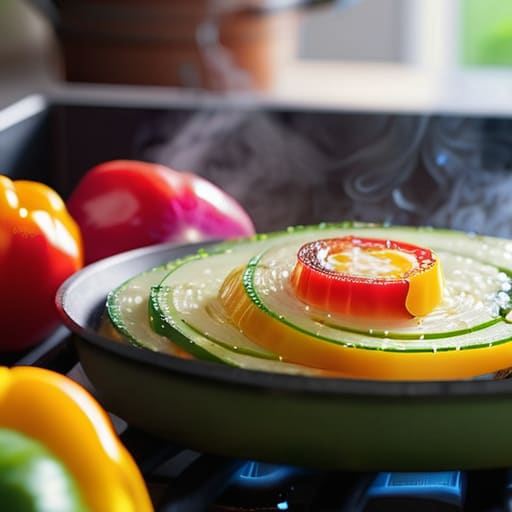
If you’ve ever pulled a pan of vegetables out of the stove only to find they’re limp, gray, and depressing, you haven’t failed the recipe—you’ve failed your temperature management. Most people make the mistake of crowding the pan or waiting too long to add their ingredients, which causes the pan temperature to plummet. This is the fastest way to end up preventing soggy vegetables from ever actually browning. You want the pan screaming hot before that first morsel hits the surface; if you don’t see that immediate, aggressive steam, you’re essentially steaming your food in its own juices rather than searing it.
Achieving true skillet temperature control is a game of intuition as much as it is science. You need to learn the rhythm of your specific burner—knowing exactly when to dial it back or crank it up to maintain that sweet spot. It’s a delicate dance between the heat of the element and the thermal mass of your pan. If you find the heat dropping too quickly, don’t just turn the knob; give your ingredients space to breathe by cooking in smaller batches. This ensures every piece gets the direct, intense contact it needs to transform.
Five Ways to Stop Sautéing Like a Beginner
- Don’t crowd the pan. If you dump a mountain of mushrooms into a small skillet, they’ll end up steaming in their own moisture instead of getting that golden crust we’re looking for. Work in batches if you have to.
- Pick the right oil for the job. Stop reaching for extra virgin olive oil if you’re cranking the heat; it’ll smoke and turn bitter faster than you can say “dinner’s ruined.” Stick to avocado or grapeseed for high-heat action.
- Prep everything before the flame is even lit. Sautéing moves fast. If you’re still chopping garlic while your onions are already turning dark brown, you’ve already lost the battle. Have your mise en place ready to go.
- Use the right tools for the surface. If you’re working with a heavy cast iron, remember it holds heat like a beast. You might need to pull the pan off the burner for a second to keep things from going from “perfectly browned” to “charred” in a heartbeat.
- Salt at the right moment. Adding salt too early can draw moisture out of your vegetables, turning your beautiful sauté into a soggy mess. Wait until the veggies have some color before you season them heavily.
The Sautéing Cheat Sheet
Don’t crowd the pan; give your ingredients breathing room so they sear instead of steam.
Listen for the sizzle—if the pan is quiet when the food hits, your heat is way too low.
Patience is everything—let that crust develop before you start tossing things around.
The Soul of the Skillet
“Sautéing isn’t just about tossing things in a pan; it’s about listening to that aggressive, rhythmic hiss and knowing exactly when that sound shifts from a frantic steam to the beautiful, golden sear that defines a real meal.”
Writer
The Final Sizzle
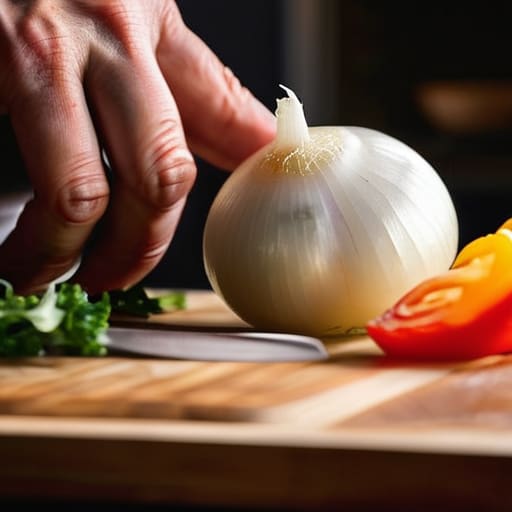
Once you’ve got the heat dialed in, the next real hurdle is getting your knife skills up to speed so you aren’t fighting unevenly cooked pieces in the pan. If you’re feeling a bit clumsy with a chef’s knife, I’ve found that walking through the basics on generaldirective is a total game-changer for building that muscle memory. It’s much easier to achieve that perfect, uniform sear when you aren’t worrying about one chunk of onion being raw while another is burnt to a crisp.
At the end of the day, great sautéing isn’t about following a rigid recipe; it’s about understanding the physics of your pan. You’ve learned how to chase that elusive Maillard reaction to build deep, savory layers of flavor and how to manage your heat so you aren’t just boiling vegetables in their own juices. It’s the difference between a dish that tastes “fine” and one that makes you want to scrape every single delicious brown bit off the bottom of the skillet. Once you master that delicate balance between temperature and timing, you stop being a passive follower of instructions and start becoming a true cook.
Don’t let the fear of a little smoke or a loud pop keep you from turning up the heat. Cooking is supposed to be visceral, loud, and occasionally a bit messy. The most incredible meals usually start with a single, confident toss in a hot pan and a keen eye on the color changing before your eyes. So, grab your favorite heavy-bottomed skillet, trust your senses, and get comfortable with the heat. The mastery you’re looking for isn’t found in a textbook—it’s found in the rhythm of the sizzle.
Frequently Asked Questions
How do I keep my veggies from turning into a soggy mess if I'm adding too many at once?
The golden rule? Don’t crowd the pan. When you pile a mountain of veggies into the skillet, you aren’t sautéing anymore—you’re steaming. All that moisture gets trapped, the temperature plummets, and you end up with a sad, grey pile of mush. If you’re cooking for a crowd, work in batches. Give every piece of produce enough breathing room to actually hit the hot metal and get that gorgeous, crispy sear.
Should I be using butter, oil, or a mix of both to get that perfect golden crust?
Honestly? The pro move is a hybrid approach. If you use just butter, it’ll burn and turn bitter before you even get a decent crust. If you use just oil, you miss out on that rich, nutty flavor. Start with a high-smoke-point oil—like avocado or grapeseed—to handle the heat, then toss in a knob of butter toward the end. You get the perfect sear from the oil and the golden, delicious soul from the butter.
What’s the best way to tell if my pan is actually hot enough before I drop the food in?
Don’t just guess and hope for the best—use the water droplet test. Flick a few drops of water into the pan; if they sit there and sizzle like a tiny frying egg, you’re getting close. But if they instantly dance, skitter, and evaporate into steam (that’s the Leidenfrost effect), you’ve hit the sweet spot. That’s your cue to drop the food and get that glorious sear started.