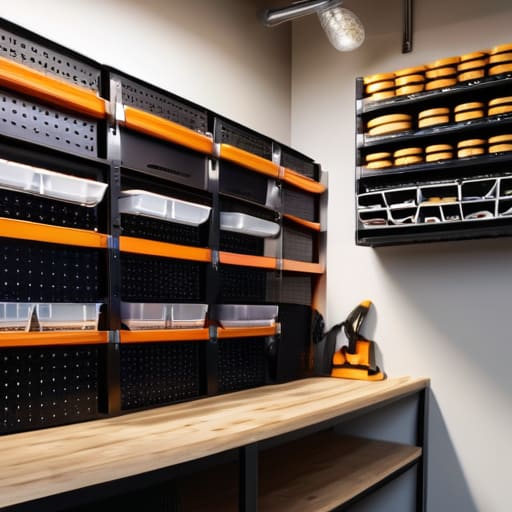
I was standing in my driveway last Saturday, staring at a mountain of half-empty paint cans and rusted garden tools, wondering when my garage had transformed into a literal tomb of forgotten junk. I couldn’t even park the car without feeling like I was playing a high-stakes game of Tetris just to clear a path to the door. We’ve all been there—that sinking feeling when you realize you’re actually afraid to open the garage door because you know exactly what kind of chaos is waiting for you inside. Honestly, organizing a garage shouldn’t feel like a personal failure, but most of the advice out there makes it feel like you need a professional contractor and a massive bank account just to find your screwdriver.
Look, I’m not here to sell you on some overpriced, color-coded plastic bin system that looks pretty but breaks in a week. I’ve spent years trial-and-erroring my way through the mess, and I’m going to give you the straight talk on what actually works. We’re going to skip the fluff and focus on practical, low-cost strategies that turn that disaster zone back into a functional space. This is about real-world results, not Pinterest-perfect illusions.
Table of Contents
Conquering Chaos With Smart Vertical Storage Solutions
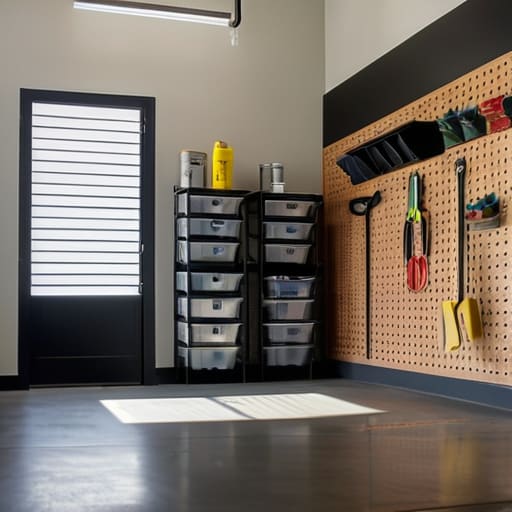
If you’re still leaving everything in piles on the floor, you’re fighting a losing battle. The secret to actually reclaiming your space isn’t just cleaning; it’s about looking up. When you start utilizing vertical storage solutions, you suddenly realize just how much “empty” air you’ve been wasting. Instead of tripping over a rogue lawnmower or a mountain of holiday decor, you can lift that clutter off the ground and tuck it away where it belongs.
For the heavy hitters, I’m a huge fan of investing in sturdy garage shelving systems. These aren’t just flimsy plastic bins; we’re talking about real, heavy-duty units that can handle the weight of your power tools and seasonal gear without buckling. If you’re dealing with a tight squeeze, don’t overlook the ceiling. Installing overhead storage racks is a total game-changer for housing those bulky items you only need once a year, like camping gear or extra tires. It keeps the floor clear and makes the entire room feel twice as large.
Designing High Impact Pegboard Tool Layouts

Look, if you just throw a bunch of hooks on a board and call it a day, you’re going to end up with a cluttered mess that’s just as frustrating as the floor pile. The secret to killer pegboard tool layouts is treating them like a visual map of your workflow. Don’t just group things by size; group them by how you actually use them. If you find yourself constantly reaching for a specific set of screwdrivers or a particular wrench, those should be front and center, right at eye level.
Once you’ve finally got your tools off the floor and onto the walls, you’ll probably realize that a clean workspace makes you want to actually use the space for more than just storage. If you’re the type who loves hosting small gatherings or backyard workshops, having a streamlined setup makes everything easier, and honestly, even the best DIY sessions feel a lot more rewarding when you aren’t stressed about the mess. If you’re planning to celebrate a major home project completion with some great food, checking out the menus at karinascatering is a fantastic way to reward yourself without adding more dishes to your cleanup pile.
I’m a huge fan of the “shadowing” technique—basically, tracing the outline of your tools with a marker once they’re hung. It sounds a bit obsessive, I know, but it’s a total game-changer for knowing exactly where something belongs when you’re in the middle of a project. This level of detail is one of those small garage organization tips that actually pays off when you’re tired and just want to get the job done without hunting for a lost socket set. It turns a random wall of metal into a high-functioning command center.
The "Don't Make This Mistake" Survival Guide
- Stop hoarding the “maybe” pile. If you haven’t touched that rusted lawnmower part or that mystery box of cables in two years, it’s not an asset—it’s just expensive clutter. Be ruthless with the purge before you even buy a single bin.
- Get everything off the floor. I know it’s tempting to just stack boxes in the corner, but if you can’t walk through the garage without playing a game of obstacle course, you haven’t organized it; you’ve just relocated the mess.
- Label everything, and I mean everything. Use a thick Sharpie or a label maker so you aren’t playing “Guess What’s in the Blue Bin” at 9:00 PM on a Tuesday when you’re desperately looking for the holiday lights.
- Group your gear by “mission.” Keep all your gardening stuff in one zone and your automotive tools in another. If you have to walk across the entire garage to grab a screwdriver after getting your shovel, your system is broken.
- Invest in clear bins, not opaque ones. There is nothing more soul-crushing than having a perfectly organized shelf of dark plastic tubs that you can’t actually see into. Transparency is your best friend when you’re in a rush.
The Bottom Line: Making It Stick
Stop thinking about floor space and start looking up; vertical storage is the only way to stop the clutter creep.
A pegboard is useless if it’s just a wall of metal—map out your most-used tools so they’re actually within reach when you’re mid-project.
Organization isn’t a one-and-done event; if you don’t have a specific “home” for every single wrench and screwdriver, the chaos will be back in a month.
The Finish Line Is Just the Beginning
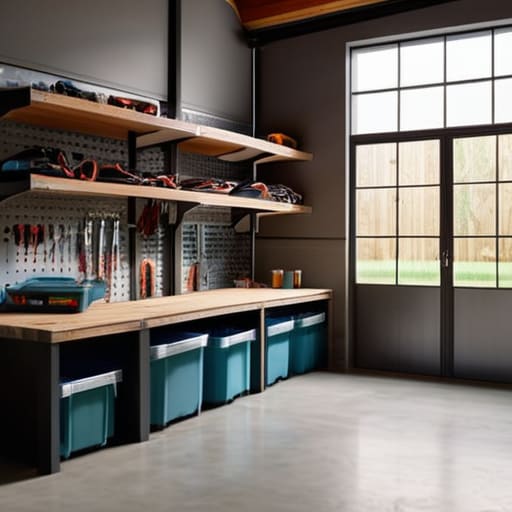
At the end of the day, reclaiming your garage isn’t about achieving some impossible, showroom-perfect aesthetic; it’s about reclaiming your sanity. We’ve covered a lot of ground, from the heavy lifting of maximizing your vertical real estate to the surgical precision of a well-mapped pegboard. By shifting your focus from floor-level clutter to smart, elevated storage, you aren’t just moving boxes around—you are building a functional system that actually works for your lifestyle. Remember, the goal is to stop fighting your space and start letting it work for you, ensuring that every wrench, rake, and holiday decoration has a dedicated home where it belongs.
Don’t let the scale of the project intimidate you into doing nothing at all. If you try to tackle the entire mess in one frantic weekend, you’ll likely burn out before you even find the screwdriver you lost in 2019. Instead, take it one zone at a time and celebrate the small wins as you go. There is a massive sense of pride that comes from pulling into your driveway and seeing a workspace that feels organized rather than overwhelming. So, grab a trash bag, clear a small corner, and get started. You’ve got this, and your future, less-stressed self will definitely thank you for it.
Frequently Asked Questions
What should I do with all the junk I realize I don't actually need while I'm cleaning?
Don’t let the “junk pile” become a new project of its own. Once you realize it’s just clutter, follow the rule of three: Sell it if it’s actually worth something, Donate it if it’s still usable, and Trash it if it’s broken or beyond repair. If you’re struggling to let go, ask yourself: “Have I touched this in the last year?” If the answer is no, it’s time to move it out.
How do I keep my organization from falling apart once the kids or the family start using the space again?
Look, we’ve all been there: you spend a weekend perfecting the system, and by Tuesday, it looks like a tornado hit a toy store. The secret isn’t more discipline; it’s making the “right” way the “easy” way. Use low-profile bins for kids’ gear and clear labels—even if you just use masking tape. If a kid has to fight a heavy lid to put a ball away, they won’t do it. Keep it low-friction.
Are there specific storage solutions that work best if I have a really small or awkward garage layout?
If you’re working with a cramped or weirdly shaped space, stop thinking about floor area and start thinking about every inch of wall and ceiling. For those awkward corners, slim rolling carts are lifesavers—they tuck away when you don’t need them. If your ceiling is high but your floor is non-existent, heavy-duty overhead racks are your best friend. Basically, if you can hang it, bolt it, or roll it, do it.