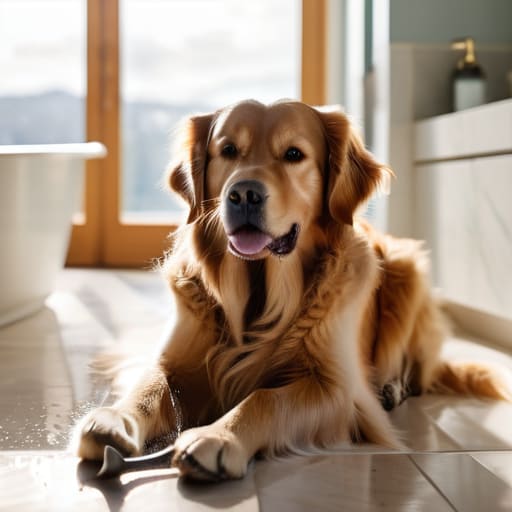
I still remember the first time I tried to tackle a bath at home with my Golden Retriever, Cooper. It wasn’t some serene, spa-like moment; it was a total disaster involving a soaked bathroom ceiling, a slippery pup doing laps around the tub, and enough wet dog smell to linger in my curtains for a month. I realized pretty quickly that those generic, high-level dog grooming tips you see in glossy magazines are completely useless when you’re actually standing there, covered in suds, trying to prevent a canine wrestling match.
Look, I’m not here to sell you on some expensive, five-step artisanal shampoo ritual that costs more than my groceries. I’ve spent years in the trenches—dealing with the mats, the muddy paws, and the stubborn nail trimming battles—so I know what actually works. I’m going to give you the straight-up, no-nonsense truth about how to keep your dog looking sharp without losing your mind (or your deposit). We’re skipping the fluff and getting straight to the practical stuff that makes grooming a breeze rather than a battlefield.
Table of Contents
Puppy Grooming Basics Starting the Journey Right

If you’ve just brought a tiny ball of fluff home, you’ve probably realized that grooming isn’t just about looking cute—it’s about setting the stage for a lifetime of chill vibes. The secret to mastering puppy grooming basics is to start before they even have a chance to get stubborn. Think of it as “desensitization training.” Instead of waiting for a scheduled bath, spend a few minutes every day just letting them feel a brush or a comb against their fur. If you make it a low-stakes game with some treats, they’ll grow up thinking a brush is just a fun toy rather than a scary monster.
It’s also the perfect time to get a handle on the tricky stuff, like those tiny claws. You don’t need to be a pro, but getting them used to paw handling now will save you a massive headache later. While you’re at it, keep an eye on their skin; using the best shampoos for sensitive skin early on can prevent irritation before it even starts. It’s all about building that bond and making sure they feel totally safe in your hands.
Dog Skin Health and Coat Shine Secrets
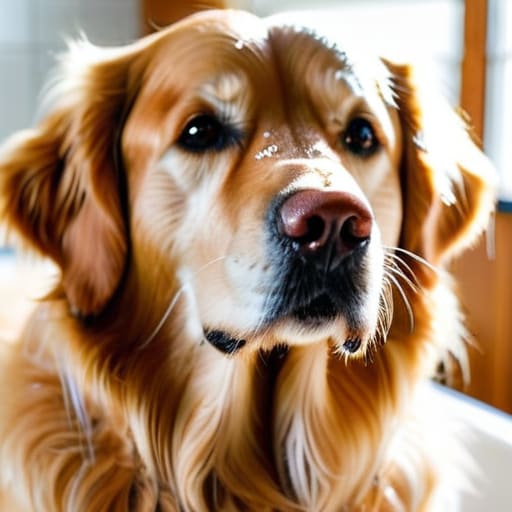
Ever notice how some dogs just seem to glow, while others look a little… dull? It’s rarely just luck. Most of the time, it comes down to how you’re handling their skin underneath all that fluff. If your pup is constantly scratching or has patches that look flaky, you might be using the wrong products. I always tell people to skip the cheap, supermarket suds and look for the best shampoos for sensitive skin instead. Using something harsh can strip away those natural oils, leaving their coat looking brittle and lifeless rather than silky.
Now, if you’re feeling a bit overwhelmed by all the different brushes and shampoos out there, don’t sweat it—I’ve been there. Honestly, the easiest way to cut through the noise is to look at what the pros actually use. I’ve found that checking out resources like windsweptwings can be a total game changer when you’re trying to figure out which specific tools will actually work for your dog’s unique coat type without wasting a ton of money. It really helps to have a reliable roadmap so you aren’t just guessing in the grooming aisle.
Beyond just the bath, you’ve got to be proactive about maintenance to see real results. If you have a breed with a bit more length, you really need to focus on preventing matting in long hair by brushing them out daily. Those tiny tangles might seem harmless, but they eventually turn into painful knots that pull on the skin. A little consistent effort with a good brush goes a long way in ensuring that healthy, radiant shine stays part of their daily look.
Pro Moves for the Grooming Routine You’ll Actually Stick To
- Nail trimming doesn’t have to be a battleground. Grab some high-value treats and try the “one clip at a time” method—if they get wiggly, just walk away and try again later. It’s way better than a stressful meltdown.
- Get a good deshedding tool in your arsenal. If you aren’t brushing out that loose undercoat once a week, you’re basically just vacuuming up your living room every single day.
- Don’t skip the ear check. Grab some vet-approved wipes and give those ears a quick sweep every time you’re doing a bath. It’s the easiest way to catch any redness or funk before it turns into a real problem.
- Invest in a decent quality brush that actually matches your dog’s coat type. Using a slicker brush on a short-haired pup is a recipe for irritation, so do your homework first.
- Make the “after-groom” experience awesome. Always follow up a bath or a nail trim with their favorite chew or a long walk. You want them to associate being groomed with good vibes, not just being poked and prodded.
The Quick Cheat Sheet for a Happy, Healthy Pup
Don’t wait for a matted mess—consistency is way more important than intensity when it comes to brushing and nail trims.
Keep an eye on their skin; if things look red or flaky, it’s usually a sign that your current shampoo or diet needs a tweak.
Make it a bonding moment, not a battle—if you keep grooming sessions chill and positive, your dog will actually stop fighting you every time the brush comes out.
The Golden Rule of Grooming
“Grooming isn’t about making your dog look like a show pony; it’s about building a little bond of trust every time you pick up a brush, so they see you as their best friend instead of the person holding the nail clippers.”
Writer
The Road to a Happy, Healthy Pup
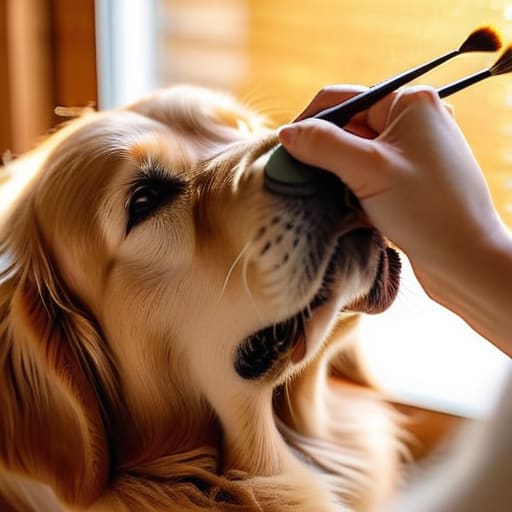
At the end of the day, mastering dog grooming isn’t about achieving a perfect, show-dog finish every single time you pick up a brush. It’s really about the small, consistent wins—from getting those puppy basics down early to keeping a close eye on their skin and coat health. When you stay on top of the brushing, nail trims, and bath schedules, you aren’t just keeping them looking sharp; you’re actually preventing a dozen different health issues before they even start. Remember, a little bit of effort during your weekly routine goes a long way in avoiding those massive, stressful grooming meltdowns down the road.
More than anything, I want you to view these grooming sessions as a way to strengthen the bond you share with your best friend. It might feel like a chore when you’re staring at a pile of shed fur on the rug, but those quiet moments of brushing and massaging can become a peaceful ritual for both of you. Don’t get discouraged if things get a little messy or if your dog isn’t immediately cooperative. Just keep showing up, stay patient, and celebrate the progress you make together. Your pup will thank you for it—not just with a shiny coat, but with a whole lot of extra love.
Frequently Asked Questions
How often should I actually be bathing my dog without drying out their skin?
Honestly, there’s no one-size-fits-all number, but most dogs don’t need a full scrub every week. Overdoing it is the fastest way to strip those natural oils and leave them itchy. Aim for once every month or two unless they’ve rolled in something truly heinous. If they just smell a little “doggy,” try a quick water rinse or some grooming wipes instead. Your pup’s skin will definitely thank you.
What are some easy ways to handle a dog that absolutely hates having their paws touched?
The “paw protest” is real, and honestly, it’s exhausting. Start by desensitizing them when they’re totally chill—not when you’re actually trying to clip nails. Just touch a paw, give a high-value treat, and let go. No pressure. If they pull away, you’re going too fast. Gradually build up to holding the paw for a few seconds. It’s all about building trust so they stop seeing your hands as the enemy.
Are there specific brushes I should be using for long hair versus short, coarse coats?
Honestly, using the wrong brush is the fastest way to turn grooming into a wrestling match. If you’ve got a long-haired beauty, you need a slicker brush to work through those tangles and a metal comb to check for hidden mats. But for short, coarse coats? Skip the slicker—it’ll just irritate their skin. Grab a rubber curry brush instead; it’s amazing for massaging them while pulling up all that loose undercoat.