I used to think that “remote work ergonomics” was just another corporate buzzword designed to sell you a $1,200 chair that looks more like a spaceship than a seat. I spent months convinced that if I just bought the right piece of high-tech gear, my nagging neck pain would magically vanish. But let me tell you, no amount of fancy lumbar support can fix the fact that you’re currently hunched over a laptop like a gargoyle on a kitchen stool. The truth is, most of the expensive “solutions” out there are just overpriced distractions from the simple, fundamental ways we actually move.
I’m not here to pitch you a lifestyle brand or a subscription to a wellness app. Instead, I’m going to give you the unfiltered truth about how to actually set up a workspace that won’t leave you feeling like a human pretzel by Friday afternoon. We’re going to skip the academic jargon and focus on real, actionable adjustments you can make right now—using stuff you probably already own—to stop the ache and actually enjoy your setup.
Table of Contents
Mastering Lumbar Support Importance and Chair Height Adjustment
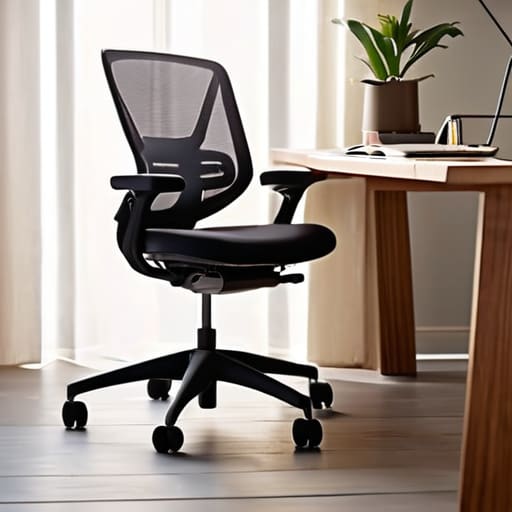
Let’s talk about the part of your setup that most people completely ignore until they’re wincing every time they stand up: your lower back. Understanding lumbar support importance isn’t just some corporate wellness buzzword; it’s the difference between finishing your day feeling energized or feeling like you’ve been folded in half. Most cheap dining chairs offer zero structural integrity for your spine, forcing your muscles to work overtime just to keep you upright. If you aren’t using a chair that actually hugs the natural curve of your lower back, you’re essentially inviting a long-term ache to move in and stay.
Once you’ve got that support sorted, you need to nail your ergonomic chair height adjustment. It’s a delicate balancing act. You want your feet to rest flat on the floor—no dangling legs or perched toes—so your weight is evenly distributed. If your chair is too high, you’ll end up putting immense pressure on your thighs; too low, and you’re tilting your pelvis into a weird, stressful angle. Get that height dialed in so your hips and knees stay at roughly a 90-degree angle, and your body will finally stop fighting your furniture.
Preventing Repetitive Strain Injury With a Wrist Neutral Position
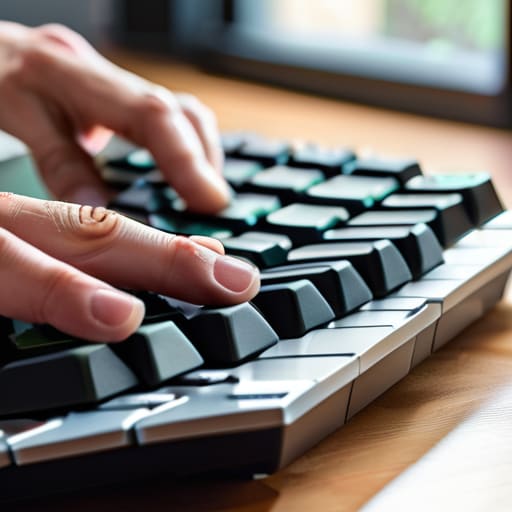
If you’ve ever felt that weird, tingling numbness creeping into your fingertips after a long afternoon of typing, listen up: your wrists are screaming for help. Most of us default to a “claw” grip or bend our hands upward to reach the keys, but that constant tension is a fast track to disaster. To stay safe, you need to prioritize a wrist neutral position, which basically means your hands should float level with your keyboard, not angled up or down. Think of your wrists as a straight bridge between your forearm and your hand; any sharp bend is just asking for trouble.
Achieving this isn’t just about how you move, but how your whole workstation is laid out. If your keyboard is too high or your chair is poorly positioned, you’ll naturally compensate by tilting your wrists in awkward ways. This is where preventing repetitive strain injury becomes a daily habit rather than a one-time fix. Small tweaks, like using a light wrist rest or adjusting your armrests so your elbows stay at a 90-degree angle, can make a massive difference in how your hands feel by the end of the week.
The "Don't End Up With a Permanent Hunch" Checklist
- Get your screen at eye level. If you’re staring down at a laptop all day, you’re basically begging for neck pain; prop that thing up on a stack of books if you have to.
- Stop the “shrimp posture.” Every thirty minutes, do a quick check to see if you’re curling inward toward your keyboard and force your shoulders back.
- Keep your feet flat on the floor. If they’re dangling or tucked awkwardly under your chair, your lower back is going to pay the price by the end of the week.
- Lighten the load on your eyes. If your screen is a blinding glare or too dim, you’ll find yourself leaning forward into a terrible posture just to see—fix the lighting instead.
- Move, even if it’s just for a minute. No amount of fancy gear can fix the damage caused by sitting motionless for eight hours straight; get up and stretch your legs.
The TL;DR on Not Ruining Your Body
Stop ignoring that ache in your lower back; if your chair isn’t supporting your spine, your posture is going to pay for it by dinner time.
Keep your wrists flat and neutral—if you’re constantly angling them up or down to reach your keyboard, you’re just asking for carpal tunnel.
Small, frequent adjustments are better than one massive setup; move your gear, change your height, and don’t stay frozen in one position all day.
## The Cost of Cutting Corners
“Your body doesn’t care that you’re ‘saving space’ by working from the couch; it only knows that you’re trading your long-term spinal health for a little bit of temporary convenience.”
Writer
The Bottom Line

Beyond the physical setup, don’t forget that your mental state plays a huge role in how much tension you actually carry in your shoulders. If you find yourself white-knuckling your mouse during back-to-back Zoom calls, it might be worth exploring some mindfulness techniques to help you reset. I’ve personally found that checking out resources like centralspirit can be a total game-changer for managing stress and staying centered when your home office starts feeling more like a pressure cooker.
At the end of the day, fixing your remote setup isn’t about buying the most expensive gear on the market; it’s about making intentional, small adjustments that actually work for your body. We’ve covered how a solid lumbar setup can save your spine from that dreaded afternoon ache and why keeping your wrists neutral is the secret weapon against long-term injury. If you take away nothing else, remember that your workspace should be a tool that supports you, not a source of physical stress that leaves you feeling wrecked by 5 PM.
Listen, your career is a marathon, not a sprint. You can be the most productive person in your field, but if you’re constantly sidelined by chronic pain or burnout, none of that success actually matters. Start treating your body with the same respect you give your professional deadlines. Make those small tweaks today—adjust that chair, fix your monitor height, and get moving—so that you can enjoy the fruits of your labor without paying for it in physical pain later. You’ve got this.
Frequently Asked Questions
Is it actually okay to work from my couch if I use a laptop stand?
Look, I get the temptation. The couch feels like a sanctuary until your neck starts screaming at you. A laptop stand helps with the screen height, but it doesn’t fix the “C-shape” spine problem. You’re still sinking into soft cushions, losing all your lumbar support. If you absolutely must, use a firm pillow behind your lower back and a lap desk, but don’t make it a habit. Your spine will thank you later.
How often do I really need to get up and stretch to avoid long-term damage?
Look, the “set it and forget it” approach is a one-way ticket to chronic pain. You shouldn’t be waiting until your legs go numb to move. Aim for the 50/10 rule: fifty minutes of deep work followed by ten minutes of actual movement. Even if it’s just a quick lap around the kitchen or a standing stretch, breaking that static posture is non-negotiable if you want to avoid permanent damage.
Should I be investing in a standing desk, or is a regular one fine if I adjust it right?
Look, if you’ve got a decent chair and you’re actually making adjustments, a regular desk is fine. You don’t need to drop a grand on a motorized standing desk just to stay healthy. The real killer isn’t your desk height—it’s staying in one position for eight hours straight. If you can find ways to shift your posture or take movement breaks, save your money. Just don’t mistake “sitting still” for “ergonomic.”