I used to think that hosting dinner parties required a pristine, museum-quality home and a menu that looked like it was plucked from a Michelin-star kitchen. I spent years stressing over matching linen napkins and fearing the inevitable moment a guest noticed a smudge on the glassware. But let’s be real: that kind of perfectionism is exactly what kills the vibe. Most of the advice you see online makes it sound like an exhausting performance, but if you’re chasing a Pinterest-perfect aesthetic, you’re doing it wrong.
I’m not here to sell you on expensive centerpieces or complex recipes that keep you trapped in the kitchen while everyone else is actually having fun. Instead, I want to share the unfiltered reality of what actually makes a night memorable. I’m going to walk you through the low-stress, high-impact strategies I’ve learned from years of trial and error. We’re going to focus on the stuff that matters—good food, flowing wine, and actual conversation—without the unnecessary pretension.
Table of Contents
Essential Hosting Tips for Beginners and New Hosts

Once you’ve got the food and the dietary needs sorted, you’ll quickly realize that the “vibe” of the room is what actually keeps the conversation flowing. I used to stress so much about whether the lighting was too harsh or if the music was too loud, but I’ve learned that setting the mood is really about the small, sensory details. If you’re feeling a bit overwhelmed by the aesthetic side of things, I’ve been leaning heavily on eyelandgirl lately for some serious visual inspiration to help pull a cohesive look together. It’s honestly been a lifesaver for turning a standard dining room into a space that feels intentional and warm.
Look, I know the anxiety is real. You’re probably staring at your kitchen counter wondering if you’ve overcommitted, but here’s the secret: nobody expects a Michelin-star performance. The most important thing to nail early on is managing dietary restrictions without making it feel like a medical intervention. Don’t wait until people are sitting down to ask about allergies; send a quick, casual text a few days prior. It saves you from a mid-meal panic and lets you focus on what actually matters—the conversation.
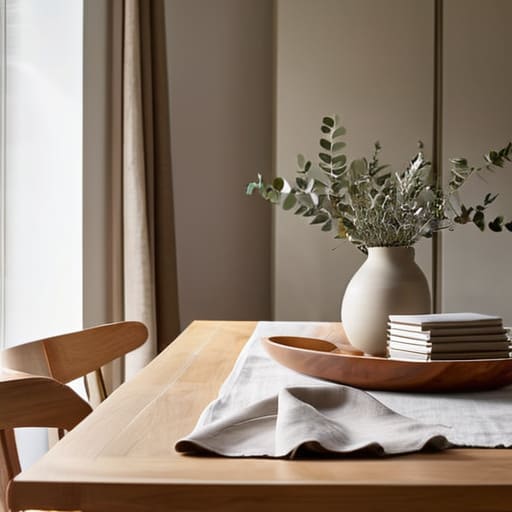
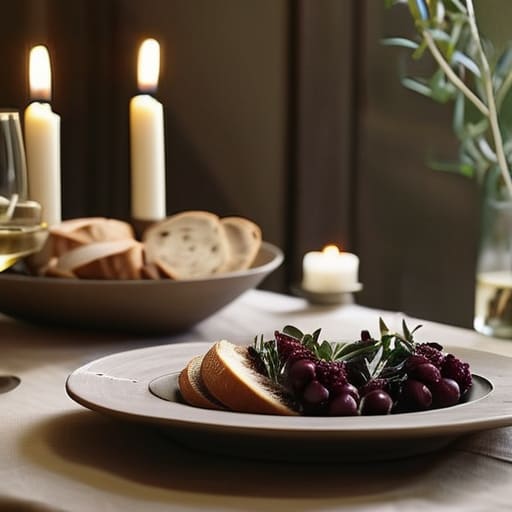
Once the logistics are settled, shift your focus to the vibe. You don’t need an expensive decorator to create a great mood; a little bit of tablescape inspiration from a thrift store vase or some unscented tea lights goes a long way. I’ve learned the hard way that harsh overhead lights are the enemy of a good time. Instead, lean into soft, warm lamps to set the tone. If you can master the art of party atmosphere and lighting, you’ve already won half the battle before the first course even hits the table.
Managing Dietary Restrictions With Grace and Ease
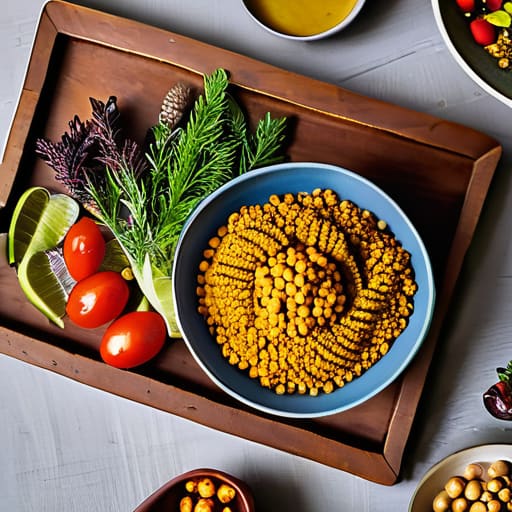
Let’s be real: nothing kills the vibe of a great evening faster than the awkward moment someone realizes they can’t eat anything on the table. I used to panic every time a guest mentioned a gluten allergy or a vegan lifestyle, but I’ve learned that managing dietary restrictions isn’t about cooking three separate meals; it’s about strategic planning. The secret is to build your menu around “safe” foundations. Instead of making a heavy pasta dish and trying to find a substitute, why not lean into a Mediterranean-style spread with roasted vegetables, grains, and proteins that are naturally inclusive?
When you’re gathering your initial guest list, just ask the question early. A quick, casual text asking about allergies saves you a massive headache later and keeps the dinner party etiquette seamless. If you find yourself stuck, look toward seasonal menu ideas like a hearty roasted squash risotto or a vibrant summer salad; these dishes are often easy to adapt with simple swaps. My goal is always to make sure no one feels like an afterthought or a “problem” to be solved, but rather a guest who is being thoughtfully looked after.
The "Sanity Savers" for a Smooth Evening
- Stop trying to cook everything from scratch while guests are there. Pick one “showstopper” dish, but let the rest of the menu be things you can prep hours—or even a day—in advance. If you’re stuck at the stove when the wine is poured, you aren’t hosting; you’re just working.
- Curate a playlist that actually breathes. You want something in the background that fills the silences but doesn’t force people to shout over it. Start low and mellow, then let the tempo climb slightly once the second round of drinks hits.
- Set the table the night before. It sounds small, but seeing the linens, plates, and silverware laid out in the morning gives you a massive psychological win and one less thing to scramble through when the clock is ticking.
- Embrace the “Imperfect Host” vibe. If you burn the garlic or realize you forgot the fancy salt, just laugh it off. Your guests are there for the company, not to judge your kitchen performance like they’re on a cooking competition show.
- Pre-batch your cocktails or have a reliable “signature” drink ready to go. Nothing kills the initial buzz like a host spending the first forty minutes of the party playing bartender while everyone else sits around with empty glasses.
The Golden Rules to Keep You Sane
Prioritize the vibe over the menu; your guests are there to see you, not to audit your risotto.
Prep is your best friend, so do as much as you can the day before to avoid being stuck in the kitchen while everyone else is laughing in the living room.
When it comes to dietary needs, don’t treat them like a chore—treat them like an opportunity to show your guests they’re actually cared for.
The Real Secret to a Great Night
“Forget the Michelin-star plating and the perfectly timed soufflé; if your guests leave feeling more seen than they were fed, you’ve actually succeeded at hosting.”
Writer
The Secret Ingredient
At the end of the day, hosting isn’t about achieving some impossible standard of Michelin-star perfection. It’s about the groundwork we’ve discussed: staying organized with your prep, keeping your cool when the timer goes off too early, and making sure every guest—regardless of their dietary needs—feels genuinely seen and cared for at your table. When you master the logistics of the menu and the flow of the evening, you stop acting like a stressed-out line cook and start acting like the host you actually want to be. Remember, the heavy lifting happens in the planning, so that the actual party can feel effortless.
But if you take only one thing away from this, let it be this: your guests aren’t coming over to critique your plating or judge a slightly overcooked roast. They are coming to connect with you. They want the laughter, the shared stories, and the warmth that only happens when people gather around a meal. So, pour the wine, dim the lights, and embrace the beautiful chaos of a lived-in dinner party. The most memorable evenings aren’t the ones that go exactly according to plan, but the ones where everyone feels completely at home.
Frequently Asked Questions
How do I actually manage the timing so I'm not stuck in the kitchen while everyone else is having fun?
The secret is ruthlessly prepping everything before the first doorbell rings. If you’re chopping onions while guests are sipping wine, you’ve already lost. Aim for “assembly only” during the party. Roast the chicken in the oven, have the salads pre-dressed, and keep everything in slow-cookers or warming dishes. If a dish requires active stove time, try to finish it before everyone sits down. Your job is to host, not to act as a short-order cook.
What’s the best way to handle the "what should I bring?" awkwardness without feeling like a burden?
Look, we’ve all been there—staring at a text from a friend, paralyzed by the fear of showing up with a grocery store salad that ruins their vibe. The secret? Don’t ask “What can I bring?” because it just gives the host more work to think about. Instead, offer specific options: “I’d love to contribute—should I grab a bottle of red, a bag of ice, or maybe some fancy chocolates for dessert?” It’s helpful, not heavy.
How much should I realistically spend on a single dinner party without breaking the bank?
Look, if you’re trying to host without draining your savings, aim for $15–$25 per person. That’s the sweet spot. You can easily hit that by skipping the expensive boutique wines and sticking to a solid grocery store find, or by making the meal something “low-cost, high-impact” like a massive, slow-cooked ragu or a seasonal risotto. Don’t feel pressured to buy premium steaks; people are there for the company, not a Michelin star.