I used to think slow living was all about linen sheets, expensive ceramic mugs, and curated photos of sourdough bread sitting in a sun-drenched kitchen. It felt like just another aesthetic to buy into—a luxury for people who already had their lives figured out. But let’s be real: most of the popular advice surrounding slow living principles is just performative wellness wrapped in a beige filter. If you think you need a massive garden or a silent retreat in Bali to actually slow down, you’ve been sold a lie that only makes you feel more rushed and inadequate.
I’m not here to sell you a lifestyle you can’t afford or a checklist of impossible habits. Instead, I want to talk about the gritty, unpolished reality of reclaiming your time when the world is constantly screaming for your attention. I’m going to share the actual, no-nonsense strategies I’ve used to stop reacting to life and start actually living it. This isn’t about doing less for the sake of being lazy; it’s about intentionality in the middle of the chaos.
Table of Contents
Slowing Down in a Fast Paced World

We live in a culture that treats burnout like a badge of honor. We’re constantly told that if we aren’t optimizing every second, we’re falling behind. This relentless momentum creates a strange kind of sensory overload where we’re physically present but mentally miles away, chasing a deadline that doesn’t actually exist. Slowing down in a fast-paced world isn’t about retreating to a cabin in the woods; it’s about finding those small, intentional gaps in the chaos where you can actually breathe.
It starts with recognizing that our attention is our most precious resource. When we constantly react to every ping and notification, we lose the ability to direct our own lives. Implementing simple digital detox strategies—like leaving your phone in another room during dinner or reclaiming your first twenty minutes of the morning—can feel radical, but it’s necessary. It’s about shifting from a state of constant reaction to one of intentional action. By carving out these quiet pockets, you stop merely surviving the rush and start actually inhabiting your own life.
Cultivating Presence and Awareness Through Daily Rituals for Peace
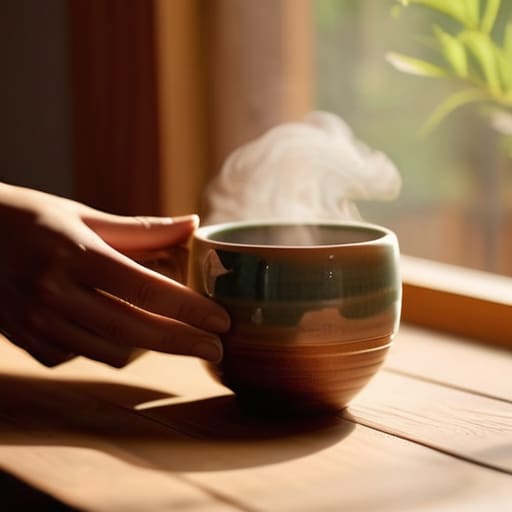
We often treat our mornings like a race we’ve already lost, reaching for our phones before our eyes are even fully open. But if we want to actually master cultivating presence and awareness, we have to break that reflex. Instead of scrolling through a chaotic newsfeed, try creating a small, sacred window of time for yourself. It could be as simple as feeling the warmth of your coffee mug against your palms or watching the light shift across the floor while you breathe. These aren’t just “tasks”; they are anchors that keep you from drifting into a state of constant distraction.
These small, intentional moments eventually bleed into how we handle the rest of our day. When you lean into daily rituals for peace, you stop reacting to life and start participating in it. This isn’t about adding more to your to-do list; it’s about changing the quality of the time you already have. By choosing to be fully where your feet are, you transform the mundane into something meaningful, turning a routine morning into a foundation for a calmer, more intentional existence.
Small Shifts to Reclaim Your Tempo
- Stop treating your morning like a race to a finish line. Instead of grabbing your phone the second you wake up, give yourself ten minutes of stillness—just coffee, a window, and your own thoughts—before the digital noise takes over.
- Learn the power of a “graceful no.” We often overcommit because we’re afraid of missing out or disappointing people, but every time you say yes to something that drains you, you’re saying no to your own peace.
- Practice single-tasking. Multitasking is a lie we tell ourselves to feel productive, but it actually just fragments our attention. Try doing one thing at a time—really doing it—and notice how much less frantic you feel.
- Curate your digital environment. If your feed is a constant stream of comparison and “hustle culture” outrage, it’s going to keep your nervous system on edge. Unfollow the noise and make space for things that actually nourish your mind.
- Reconnect with your hands. There is something deeply grounding about doing something tactile—gardening, cooking a meal from scratch, or even just folding laundry—that pulls you out of your head and back into the physical world.
The Quiet Core of Slow Living
Slowing down isn’t a productivity hack or a way to get more done; it’s a conscious decision to stop treating your life like a checklist and start treating it like an experience.
Peace isn’t something you find once you’ve cleared your schedule—it’s something you build in the small, intentional gaps between your daily tasks.
True presence requires the courage to be “unproductive” in a world that demands constant motion, choosing depth over speed every single time.
The Quiet Revolution

At its core, embracing slow living isn’t about a sudden, radical overhaul of your entire existence or moving to a cabin in the woods. It’s about the intentional shifts we make in the margins of our day—the decision to breathe through a hectic morning, the choice to find meaning in the mundane, and the courage to step away from the constant noise of digital urgency. By prioritizing presence and honoring our own natural rhythms, we stop merely surviving the rush and start actually inhabiting our lives. It is a practice of reclaiming your time from a world that is constantly trying to steal it.
As you move forward, remember that there is no “perfect” way to slow down. Some days will feel intentional and serene, while others will feel like a frantic race against the clock. That’s okay. The goal isn’t perfection; it’s awareness. Let these principles be a compass rather than a rigid set of rules. When you feel the world pulling you too hard into its frantic orbit, simply pause and return to yourself. You deserve a life that feels as good on the inside as it looks on the outside, and that journey begins with a single, deliberate breath.
Frequently Asked Questions
How do I practice slow living if my job or lifestyle requires me to be constantly "on" and responsive?
You don’t have to quit your job to find stillness; you just have to build “micro-boundaries.” If you’re tethered to a screen, stop treating every notification like a fire drill. Practice “buffer zones”—five minutes of staring out a window between meetings, or a phone-free walk to your car. Slow living isn’t about escaping your responsibilities; it’s about reclaiming the tiny, quiet gaps in between them so you don’t feel like a passenger in your own life.
Is slow living just a fancy way of being unproductive, or does it actually help with getting things done?
It’s a common misconception, but slow living isn’t about laziness or idling away the day. It’s actually the antidote to the “busy trap.” When we rush, we operate on autopilot, making mistakes and burning out. Slowing down allows you to trade frantic, shallow activity for intentional, deep work. You aren’t doing less; you’re doing what matters with more focus. It’s about efficiency through clarity, not through speed.
How do I stop feeling guilty when I decide to step away from the digital noise and just do nothing?
Guilt is just the phantom limb of productivity culture. We’ve been conditioned to believe that if we aren’t consuming or producing, we’re failing. But “doing nothing” isn’t a void; it’s a recovery period. Reframe that silence not as wasted time, but as essential maintenance for your soul. When that guilt creeps in, remind yourself: you aren’t being lazy; you’re being intentional about protecting your peace from the noise.