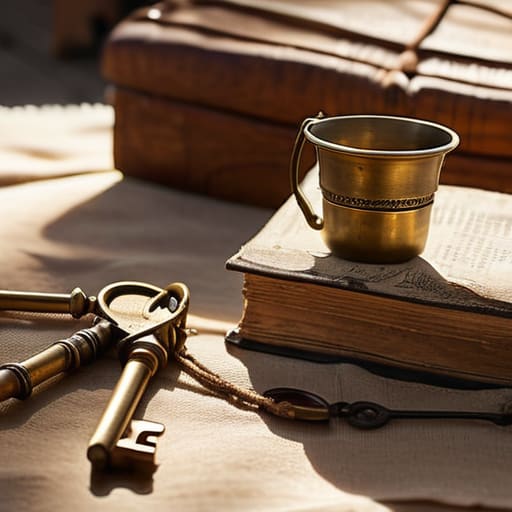
There is nothing quite like that specific, dusty scent of old paper and oxidized brass that hits you the second you step into a crowded morning market. I still remember the first time I pulled a mid-century teak lamp out from under a pile of moth-eaten blankets, my hands shaking because I knew I’d just scored a massive win for next to nothing. Most people think hunting for flea market finds is some sort of glamorous, curated scavenger hunt you see on HGTV, but let’s be real: it’s usually a chaotic, sweaty, and slightly overwhelming scramble through endless rows of junk.
I’m not here to give you some polished, aesthetic guide on how to “curate your lifestyle.” Instead, I want to share the unfiltered truth about what actually works when you’re digging through the grime. I’m going to walk you through the gritty details of spotting quality amidst the clutter, knowing exactly when to walk away from a bad deal, and how to negotiate without feeling like a jerk. Consider this your no-nonsense roadmap to actually coming home with treasures rather than just a pile of expensive dust.
Table of Contents
Essential Flea Market Shopping Tips for the Modern Scout
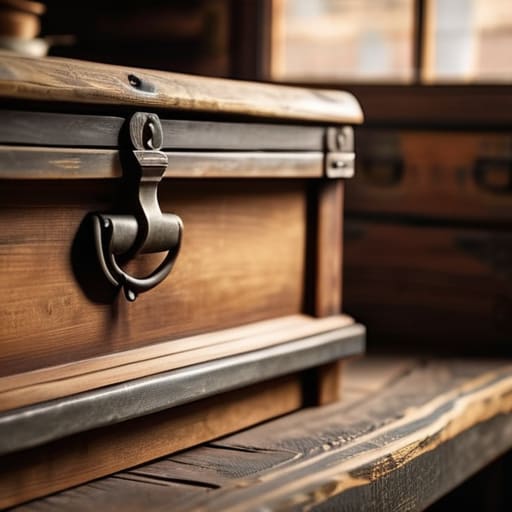
First things first: leave your “perfectionist” mindset at the door. If you walk into a market expecting pristine, showroom-quality pieces, you’re going to leave empty-handed. Instead, you have to learn to look past the dust and the grime. The real magic happens when you start identifying antique value in things that look like junk to the untrained eye. Keep an eye out for solid wood, heavy metals, or even just interesting textures; these are the hallmarks of quality that hold up long after the cheap, modern stuff falls apart.
Second, go prepared or go home. This isn’t a casual stroll through a mall; it’s a tactical mission. Bring a sturdy canvas tote, a measuring tape (seriously, don’t guess if that vase will fit your shelf), and plenty of cash. While digital payments are popping up more frequently, nothing beats having small bills to negotiate a better deal. If you’re serious about curating secondhand decor, you’ll quickly realize that the best pieces are often tucked away in the corners, waiting for someone with a bit of grit to actually dig them out.
Identifying Antique Value Before the Crowd Arrives
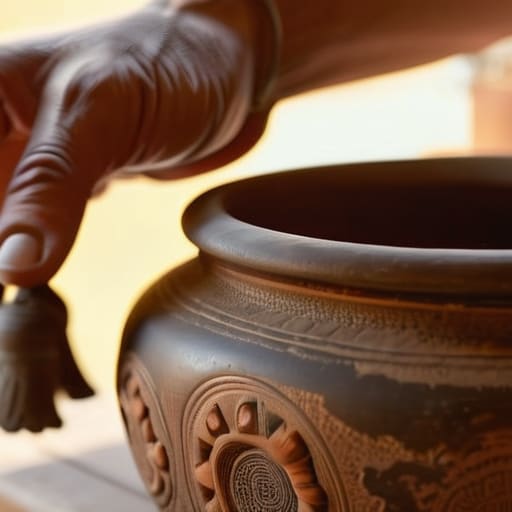
The real secret to winning at the flea market isn’t just about getting there early; it’s about knowing exactly what you’re looking at before the heavy hitters start circling. If you want to get serious about identifying antique value, you have to train your eyes to look past the dust and the grime. I always tell people to ignore the flashy, restored pieces that vendors have already marked up. Instead, hunt for the “diamonds in the rough”—the items with heavy patina or slight wear that actually signal age and authenticity. Look for maker’s marks on the bottom of ceramics or hand-stamped joints on wooden furniture. These tiny details are the difference between a cheap reproduction and a legitimate piece of history.
Once you develop that instinct, you’ll start seeing the world differently, almost like you’re curating secondhand decor in real-time. You’ll stop seeing “old junk” and start seeing potential. Whether you’re hunting for mid-century brass or weathered stoneware, the goal is to spot the quality that others overlook. This mindset is what separates a casual browser from someone truly skilled at reselling vintage items for a profit.
Quick Wins for Your Next Hunt
Go early, stay late, and always bring a heavy-duty tote bag—you’ll want to be there before the serious collectors start circling.
Trust your gut on quality, but keep your eyes peeled for those tiny maker’s marks or signatures that turn a “dusty trinket” into a legitimate heirloom.
Don’t be afraid to haggle a little, but remember that a little politeness goes a long way in scoring those better deals from the seasoned vendors.
The Hunt Continues

At the end of the day, successful flea market hunting isn’t just about luck; it’s about showing up with a plan. We’ve covered the ground from mastering your scouting strategy to developing that trained eye for spotting genuine antique value amidst the chaos. Remember, the best finds usually happen when you’re prepared to move fast but patient enough to look past the dust and grime. Whether you’re looking for a mid-century centerpiece or just a quirky piece of history, the key is to trust your instincts and never stop refining your eye for detail.
But beyond the checklists and the valuation tactics, there is something almost magical about the thrill of the chase. There is a soul in these objects that you simply won’t find in a big-box retail store or a sterile showroom. Every dent, scratch, and patina tells a story of a life lived long before it landed in your hands. So, grab your coffee, lace up your walking shoes, and get out there. The next extraordinary treasure is waiting under a pile of old linens, just waiting for someone like you to finally find it.