I remember staring at my cramped corner in my first studio apartment, surrounded by a tangled mess of charging cables and half-empty coffee mugs, wondering how anyone expected me to actually work in such a tiny footprint. Every “productivity hack” I found online suggested buying a massive mahogany desk or a suite of expensive monitor arms, which was completely useless when you’re working with a literal closet. Trying to build a functional small desk setup shouldn’t feel like a constant battle against your own furniture, yet we’re constantly told that bigger is always better for focus.
Look, I’m not here to sell you on some overpriced, aesthetic-only gadget that looks great on Instagram but fails the second you actually try to use it. I’ve spent years trial-and-erroring my way through cramped workspaces, and I’m going to give you the real blueprint for making a limited space actually work for you. We’re going to focus on practical organization and smart, space-saving gear that earns its keep. No fluff, no hype—just the honest truth on how to master your setup without breaking the bank.
Table of Contents
Curating Compact Desk Accessories for Maximum Flow
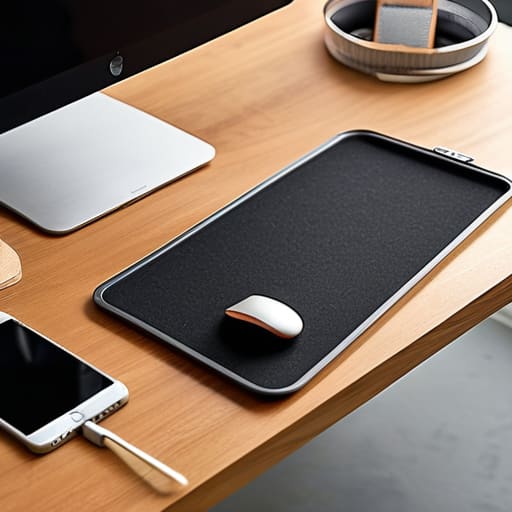
When you’re working with limited real estate, every single item on your desk needs to earn its keep. I’ve learned the hard way that if an object doesn’t serve a dual purpose or provide immediate utility, it’s just clutter waiting to happen. Instead of grabbing random trinkets, focus on finding compact desk accessories that actually streamline your workflow. Think about things like a slim wireless charger or a small, felt desk mat that defines your zone without swallowing up your entire surface.
The real secret to maintaining that sense of calm, though, is looking up. If your desktop is feeling crowded, stop trying to spread things out horizontally and start exploring vertical desk storage solutions. A simple monitor riser or a small pegboard can move your pens, notebooks, and even your headset off the main surface entirely. This shift is a game-changer for an apartment friendly home office, as it creates much-needed breathing room and keeps your focus where it belongs: on the task at hand, not the mess surrounding it.
The Secret to an Ergonomic Small Desk Layout
Beyond just the physical gear, I’ve found that managing the digital clutter on your screen is just as vital as clearing off your actual desk surface. If your desktop icons are a mess, it creates this underlying sense of chaos that makes it impossible to actually focus. I’ve been using bakernotes lately to keep my digital workspace organized, and honestly, it’s been a total game changer for maintaining that sense of calm. It’s one of those small shifts that makes a massive difference in how much mental energy you have left at the end of the day.
When you’re working with limited real estate, it’s easy to fall into the trap of pushing everything to the edges just to clear some surface area. But here’s the thing: a cramped layout is a fast track to neck strain and back pain. To nail an ergonomic small desk layout, you have to stop thinking about what fits on the table and start thinking about your body’s natural range of motion. Your monitor should be at eye level, and your arms shouldn’t feel like they’re reaching for a marathon just to hit the keyboard.
Since you can’t expand outward, you have to expand upward. This is where vertical desk storage solutions become your absolute best friend. Instead of letting your notebooks, pens, or even your laptop take up prime “reach zones,” get them off the desk and onto a wall-mounted shelf or a monitor riser. By reclaiming that vertical space, you keep your immediate workspace clear for your hands to move freely, ensuring your tiny setup feels like a professional command center rather than a cluttered corner of your apartment.
Five Quick Wins to Reclaim Your Workspace
- Go vertical with wall organizers or pegboards. When your desk surface is limited, stop trying to spread everything out and start moving your gear up the wall.
- Ditch the bulky peripherals for slim, wireless versions. Every inch counts, and getting rid of tangled cables makes a tiny setup feel twice as large.
- Invest in a monitor arm. Taking your screen off its original heavy base frees up a massive amount of “prime real estate” right underneath the display.
- Use a tiered desk organizer. Instead of one flat pile of pens and notes, use levels to stack your essentials without them swallowing your workspace.
- Keep a “one-in, one-out” rule for your desktop. If you bring a new gadget or notebook into the zone, something else has to go into a drawer to prevent clutter creep.
The Small Setup Survival Guide
Think vertically—if your desk surface is tiny, use monitor arms and wall shelves to reclaim your workspace.
Prioritize “one-in, one-out” rules for accessories to prevent your minimalist vibe from turning into a cluttered mess.
Focus on ergonomics over aesthetics; a pretty desk doesn’t matter if you’re dealing with neck strain by noon.
## The Philosophy of Less
“A small desk isn’t a limitation; it’s a filter. It forces you to stop hoarding gear you don’t use and start surrounding yourself only with the tools that actually move the needle.”
Writer
Making the Most of Your Micro-Workspace
At the end of the day, mastering a small desk setup isn’t about cramming every gadget you own into a tiny corner; it’s about intentionality. We’ve looked at how the right accessories can keep your workflow smooth, how a smart ergonomic layout prevents that dreaded end-of-day backache, and why less is almost always more when square footage is at a premium. By prioritizing high-quality essentials over mindless clutter, you turn a cramped workstation into a highly efficient command center that actually works for you instead of against you.
Don’t let a lack of space convince you that you can’t have a dream workspace. Some of the most brilliant ideas in history were sparked in tiny, cluttered corners, but they thrive when there is a sense of order and purpose. Your desk doesn’t need to be massive to be powerful; it just needs to be uniquely yours. So, clear off the junk, find your flow, and start building a space that makes you actually excited to sit down and get to work every single morning.
Frequently Asked Questions
How do I manage cable clutter without a massive cable management tray?
Look, you don’t need a fancy, oversized tray to fix the spaghetti mess under your desk. Honestly, some heavy-duty Velcro ties or even simple adhesive cable clips can be total lifesavers. Stick them to the underside of your desk to route cords along the legs, or use a basic mesh sleeve to bundle everything into one neat “trunk.” It’s about grouping the chaos into single lines rather than trying to hide it all at once.
What are the best monitor mounting solutions when I don't have room for a stand?
If you’re fighting for every inch of desk real estate, ditch the bulky factory stands immediately. A heavy-duty C-clamp monitor arm is your best friend here—it bolts right to the edge of the desk, hovering your screen so you can actually use the space underneath for your keyboard or a notebook. If your desk is too flimsy for a clamp, look into wall mounts to completely clear the surface.
Can I actually stay productive on a tiny surface, or will I just feel claustrophobic?
Honestly? It’s a valid fear. If you just cram everything onto a tiny slab, you’ll feel like you’re suffocating under your own gear. But here’s the thing: productivity isn’t about square footage; it’s about intentionality. A small setup forces you to ditch the clutter and keep only what actually matters. Once you master the layout, that “claustrophobic” feeling turns into a focused, high-speed cockpit. It’s less about space and more about control.