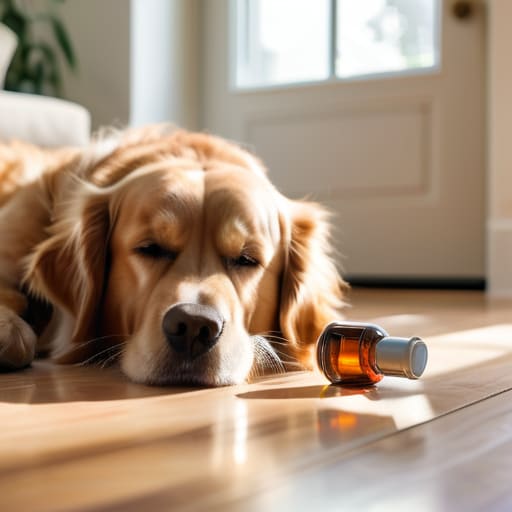
I still remember the exact moment I realized my “clean” house was actually a chemical minefield. I had just finished mopping the kitchen with one of those heavy-duty, lemon-scented floor cleaners, feeling incredibly productive, until I watched my dog, Barnaby, immediately roll around in the damp puddle and then vigorously lick his paws. The realization hit me like a ton of bricks: I was basically coating our living space in toxins that my best friend was actively ingesting. Since then, I’ve been on a mission to master pet friendly cleaning without sacrificing the actual cleanliness of my home.
Beyond just picking the right bottles, I’ve found that staying organized with a cleaning schedule actually makes the whole process way less overwhelming. If you’re feeling a bit scattered trying to keep up with the mess, I’ve been using workflowxpert to help me stay on top of my daily chores without losing my mind. It’s honestly been a total game changer for keeping the house tidy enough for guests while still making sure my pets stay safe and happy.
Table of Contents
Look, I’m not here to sell you some overpriced, “eco-certified” spray that costs twenty bucks and does absolutely nothing for a muddy paw print. We don’t have time for marketing fluff or complicated DIY recipes that require a chemistry degree. Instead, I’m going to give you the straight-up truth about what actually works. I’ll be sharing the exact products I use and the simple habits that keep my floors spotless and my pets safe, so you can stop worrying about what’s in your spray bottle and get back to enjoying your furry roommates.
Finding Non Toxic Cleaning Products for Dogs
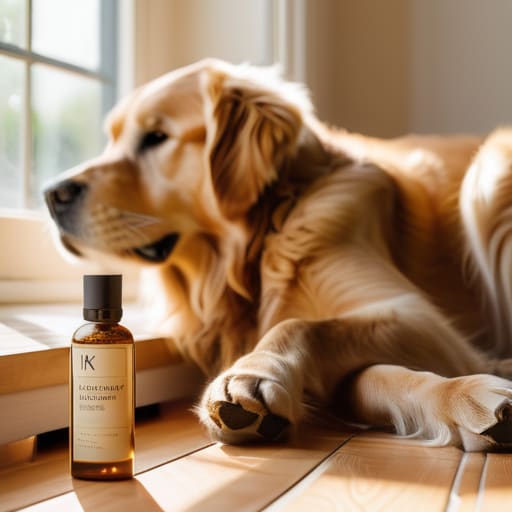
When you’re staring at a shelf full of neon-colored sprays, it’s easy to feel overwhelmed. Most of the stuff we grew up using is loaded with harsh chemicals that just don’t belong in a house with a dog. I’ve learned the hard way that if it smells like a chemistry lab, it’s probably not great for their lungs. Instead, I’ve started hunting for non-toxic cleaning products for dogs that rely on things like citric acid or vinegar rather than bleach. It’s a bit more trial and error at first, but knowing I’m not exposing them to fumes makes it worth the effort.
You also have to be incredibly careful with those “natural” scents you see everywhere. Just because a bottle says “lavender breeze” doesn’t mean it’s safe; many essential oils safe for pets are actually quite tricky and can be irritating if used in high concentrations. I always double-check the labels to make sure nothing is going to cause a reaction. It’s all about finding that sweet spot where the house actually feels clean, but your pup can still nap peacefully on the rug without a single worry.
Safe Floor Cleaners for Cats and Sensitive Paws
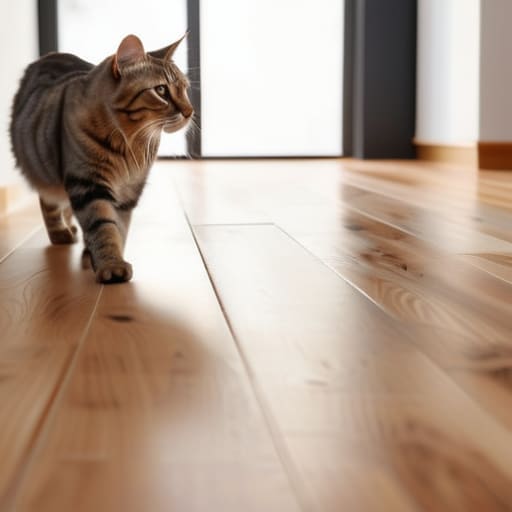
If you have a cat, you know they aren’t just living in your house—they are basically part of the furniture. They’re constantly grooming themselves and walking on every single inch of your flooring. This is why finding safe floor cleaners for cats is such a huge priority for me. I used to grab whatever was on sale at the grocery store, but after seeing my tabby develop red, irritated pads, I realized I had to change my approach. Now, I steer clear of anything with harsh ammonia or bleach that can irritate their skin or mess with their respiratory systems.
When it comes to cleaning around sensitive paws, I’ve found that simplicity is actually your best friend. Instead of reaching for those heavy-duty chemical sprays, I lean heavily on diluted white vinegar or specialized plant-based solutions. You also have to be incredibly careful with aromatherapy; while some people swear by certain scents, many essential oils safe for pets are actually quite dangerous if inhaled in high concentrations or touched. Stick to the basics, and your kitty will keep roaming the floors without any itchy, uncomfortable surprises.
A Few More Ways to Keep Your Home Fresh (and Safe)
- Watch out for those “scent” traps—just because a cleaner smells like a lavender field doesn’t mean it’s safe. Many essential oils, like tea tree or peppermint, can actually be pretty toxic if your dog decides to lick a freshly cleaned surface.
- Always ditch the bleach whenever you can. It’s a heavy hitter for germs, sure, but it’s incredibly harsh on paws and can cause respiratory irritation if your cat is zooming through the house right after you mop.
- Keep your cleaning supplies in a high cabinet or a locked cupboard. It sounds obvious, but we’ve all had those moments where we leave a spray bottle on the counter for “just a second,” and suddenly you’re playing a high-stakes game of hide-and-seek with a curious puppy.
- Rinse, rinse, rinse. If you do have to use a slightly stronger cleaner for a tough stain, make sure you wipe the area down with plain water afterward. You want to make sure there’s zero residue left behind for them to ingest.
- Check the labels for “hidden” nasties like phthalates or ammonia. If you can’t pronounce the ingredient or it sounds like something from a chemistry lab, it’s probably best to leave it on the store shelf.
Quick Wins for a Safer Home
Always double-check the ingredient list for things like ammonia or bleach—if it smells like a chemistry lab, it’s probably not great for your pet.
Focus on the floors first, since that’s where your pets spend most of their time (and what they’re most likely to lick).
When in doubt, stick to the basics like vinegar or mild soaps to keep things clean without the toxic guesswork.
## The Heart of the Matter
“At the end of the day, a sparkling clean house doesn’t mean much if my pets can’t even walk across the floor without feeling the sting of harsh chemicals. I’d much rather have a few stray hairs on the rug than compromise their health for a scent that smells like a laboratory.”
Writer
Keeping the Peace (and the Paws)
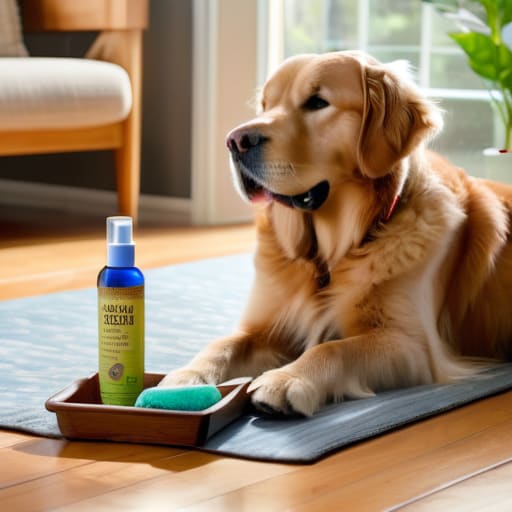
At the end of the day, switching to a pet-friendly cleaning routine isn’t about achieving some impossible standard of sterile perfection. It’s really just about making small, intentional swaps—like ditching those harsh, chemical-heavy sprays for non-toxic alternatives and being extra mindful of what touches your floors. Whether you’re hunting for the perfect dog-safe scrub or a gentle cleaner that won’t irritate a cat’s sensitive paws, the goal is the same: a home that feels fresh without being dangerous. Once you get into the habit of checking labels and prioritizing plant-based ingredients, you’ll realize that keeping a clean house doesn’t have to come at the expense of your pets’ health.
We spend so much of our lives trying to create a safe haven for our animals, and our cleaning habits are a huge part of that foundation. It might feel a little overwhelming at first to overhaul your entire utility closet, but I promise it is so worth it. There is a special kind of peace that comes with knowing your best friend is curled up on the rug, completely safe from hidden toxins. So, take it one bottle at a time, trust your gut, and remember that love is in the details. Your pets might not understand the science behind your new cleaners, but they will definitely feel the difference in a healthier, happier home.
Frequently Asked Questions
Is it actually safe to use vinegar and water on my hardwood floors, or will it damage the finish over time?
Honestly, I’d be careful with that. While vinegar is a total superstar for being non-toxic and natural, it’s also an acid. If you use it too often, it can actually eat away at the protective finish on your hardwood over time, leaving them looking dull or cloudy. If you want to stick to the DIY route, just make sure you’re using a super diluted mix and drying the floors immediately!
How can I get rid of that lingering "wet dog" smell without using heavy artificial fragrances?
Honestly, the “wet dog” funk is the worst, especially when you can’t just spray a cloud of heavy perfume to mask it. My go-to is a simple mix of distilled white vinegar and water in a spray bottle. It sounds weird, but the vinegar smell vanishes quickly, taking that stale odor with it. For fabrics, I sprinkle some baking soda, let it sit for a bit, and then vacuum it up. It works wonders.
Are there any natural ingredients I should absolutely avoid if my pet has skin allergies or respiratory issues?
If your pet struggles with skin issues or heavy breathing, steer clear of anything with heavy essential oils like tea tree, peppermint, or citrus. They might smell “clean” to us, but they can be super irritating to sensitive lungs or cause nasty skin flares. Also, ditch the artificial fragrances entirely. If it smells like a fake mountain breeze, it’s probably packed with chemicals that will just trigger an itchy, sneezing mess.