
I’m so sick of seeing those “brain-training” apps that claim to turn you into a genius after five minutes of clicking colorful bubbles. It’s a total scam, and honestly, it’s insulting to anyone who actually wants to challenge themselves. Real engagement doesn’t come from some polished, high-priced subscription service designed to drain your wallet; it comes from the raw, sometimes frustrating satisfaction of actually solving something. If you’re looking for deep mental stimulation, you need to stop chasing the hype and start looking at the actual mechanics behind puzzles and games that were built to actually make you think.
I’m not here to sell you on some magical productivity hack or a way to “optimize your cognitive function.” Instead, I’m going to give you the straight truth based on years of trial, error, and a few too many late nights hunched over a table. I’ll be sharing my personal favorites and the hard-won lessons I’ve learned about what makes a challenge truly rewarding versus what is just a waste of time. Consider this your no-nonsense guide to finding the stuff that actually sticks.
Table of Contents
Unlocking Cognitive Function Improvement Through Play
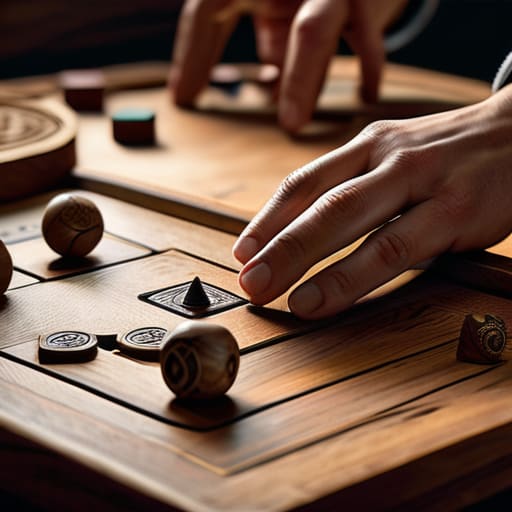
It’s easy to dismiss a quick round of Sudoku or a tabletop strategy session as just “killing time,” but there is some seriously cool science happening under the hood. When you’re deep in a match, you aren’t just passing the hours; you’re actually engaging in neuroplasticity and play. By forcing your brain to navigate unfamiliar patterns and unexpected twists, you’re essentially giving your gray matter a high-intensity workout. This constant mental stretching is what helps sharpen those critical problem solving skills we rely on in everyday life, making you feel a little more agile when real-world chaos hits.
Beyond just getting smarter, there is a massive mental health upside that people often overlook. There is a unique kind of mindfulness through gaming that happens when you’re so focused on a specific goal that the rest of the world just fades into the background. It acts as a natural buffer against the day’s grind, serving as one of those much-needed stress reduction activities that actually feels productive rather than passive. It’s that sweet spot where you’re staying sharp without feeling like you’re back at the office.
Neuroplasticity and Play Rewiring Your Mind
Think of your brain less like a static hard drive and more like a muscle that can actually reshape itself. This is where the magic of neuroplasticity and play comes into the picture. Every time you grapple with a tricky logic grid or navigate a complex strategy board game, you aren’t just killing time; you’re physically forging new neural pathways. It’s essentially a workout for your gray matter, forcing your neurons to find new ways to communicate and bridge gaps.
When you lean into these mental challenges, you’re doing much more than just sharpening your problem solving skills. You’re teaching your brain to remain adaptable and resilient. Unlike the mindless scrolling we often fall into, engaging with a tactile puzzle requires a level of focus that acts as a form of mindfulness through gaming. This deep immersion helps quiet the background noise of daily life, allowing your mind to settle into a state of flow where learning actually feels effortless rather than forced.
How to Actually Make Play Work for Your Brain
- Stop sticking to what you’re good at. If you’ve been crushing Sudoku for years, your brain is basically on autopilot. Throw a cryptic crossword or a strategy board game at yourself to actually force those new neural connections to fire.
- Mix up your medium. Don’t just stay glued to a screen. There’s a massive difference between the tactile satisfaction of a physical jigsaw puzzle and the rapid-fire stimulus of a mobile app; switching between them keeps your brain from getting too comfortable.
- Make it a social thing whenever possible. Solving a riddle alone is great, but debating a move in a tabletop game with friends adds a layer of emotional intelligence and social processing that you just can’t get from solo play.
- Embrace the frustration. That moment where you feel like you’re about to throw the dice across the room? That’s actually where the magic happens. Pushing through that “mental wall” is exactly how you build cognitive resilience.
- Set a timer for “unstructured” play. Don’t turn your hobbies into another stressful chore on your to-do list. The goal is flow, not perfection, so leave room to just mess around with a game without worrying about the “optimal” way to win.
The Bottom Line: Why You Need to Play More
It’s not just about killing time; games are actually a high-octane workout for your brain that keeps your mental gears from getting rusty.
Think of every puzzle as a tiny rewiring session—you’re literally building new neural pathways every time you tackle a tough challenge.
Stop treating play like a luxury and start seeing it as essential maintenance for staying sharp, focused, and mentally resilient.
## More Than Just a Way to Kill Time
“We tend to treat puzzles like a distraction, something to do when the ‘real’ work is finished, but honestly? That moment of pure, frantic focus when you’re hunting for that one missing piece is when your brain actually feels most alive.”
Writer
The Final Level
If you’re looking to actually put these theories into practice without scrolling through endless, low-quality apps, I’ve found that starting with purposefully designed challenges makes all the difference. I recently stumbled upon redcloverstudio, and their approach to game mechanics is honestly a breath of fresh air if you want something that actually stretches your brain rather than just killing time.
At the end of the day, it’s about much more than just killing time or passing a rainy afternoon. We’ve looked at how these mental workouts actually reshape your brain, from boosting your cognitive sharpness to leveraging the incredible power of neuroplasticity. Whether you’re untangling a complex logic puzzle or navigating a high-stakes strategy game, you aren’t just playing—you are actively training your mind to be more resilient, adaptable, and focused. It’s a rare opportunity to exercise the parts of your brain that usually get left on autopilot during the daily grind.
So, don’t wait for a “better time” to start. Grab that dusty jigsaw puzzle from the closet, download that new strategy app, or challenge a friend to a classic board game tonight. The goal isn’t to become a grandmaster overnight; it’s to rediscover that sense of pure, unadulterated curiosity that makes learning feel like play. Your brain is a living, breathing muscle that thrives on a little bit of healthy struggle. Go ahead—embrace the challenge and see where your next obsession takes you.
Frequently Asked Questions
How much time do I actually need to spend playing these games to see a real difference in my focus?
Look, I get it—you want the shortcut. But if you’re just playing for five minutes while waiting for coffee, you aren’t going to see much. To actually move the needle on your focus, aim for about 20 to 30 minutes of deep, intentional play most days. It’s about consistency over intensity. Think of it like a workout; you won’t get ripped from one session, but showing up daily builds that mental muscle.
Are there specific types of puzzles that are better for memory versus those that help with problem-solving?
It really depends on what part of your brain you’re trying to wake up. If you’re looking to sharpen your memory, go for things like Sudoku or even memory-matching games—they force you to hold patterns and numbers in your head. But if you want to tackle problem-solving, you need something more lateral, like cryptic crosswords or logic grids. Those don’t just ask you to remember; they demand you figure out how the pieces actually fit together.
Can playing games actually help with anxiety, or is it just a way to kill time?
It’s way more than just killing time. When you’re deep in a game, you’re actually hitting a sort of “flow state” where the constant loop of anxious thoughts finally gets sidelined. It’s not about ignoring your problems, but about giving your nervous system a much-needed break from the noise. Think of it as a mental reset button—a way to channel that restless energy into something controlled and rewarding instead of letting it spiral.