Let’s be real: most people think hosting a wine tasting requires a sommelier’s degree, a ridiculous budget, and a room full of people sniffing glasses like they’re searching for lost treasure. I used to believe that too, until I hosted a “fancy” evening that ended with everyone feeling too intimidated to actually enjoy the wine. The truth is, the elitism surrounding wine is exhausting, and if you follow the traditional, stuffy rules, you’ll probably just end up with a room full of awkward silences instead of a great party.
I’m not here to teach you how to lecture your friends about tannins or soil acidity; I’m here to help you actually have fun. In this guide, I’m stripping away the pretension to give you the real-world blueprint for hosting a wine tasting that feels effortless and, more importantly, delicious. We’re going to focus on what actually matters—good bottles, great company, and zero stress—so you can stop worrying about the “correct” way to pour and start enjoying the pour yourself.
Table of Contents
Mastering Wine Tasting Etiquette for a Seamless Evening
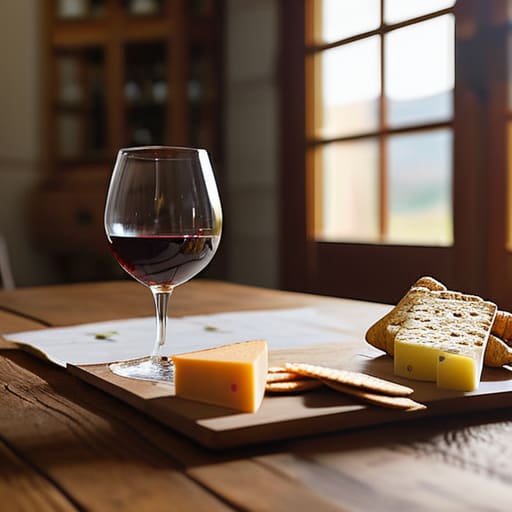
Let’s be real: nobody wants to feel like they’re sitting through a stuffy lecture in a stuffy room. To keep things flowing, focus on making the experience feel approachable rather than academic. A great way to guide the conversation without being a “wine snob” is to provide some simple wine tasting scorecards. They give your guests a way to record their thoughts on things like acidity or tannins without the pressure of having to sound like a professional sommelier. It turns the evening into a fun, shared activity rather than a test.
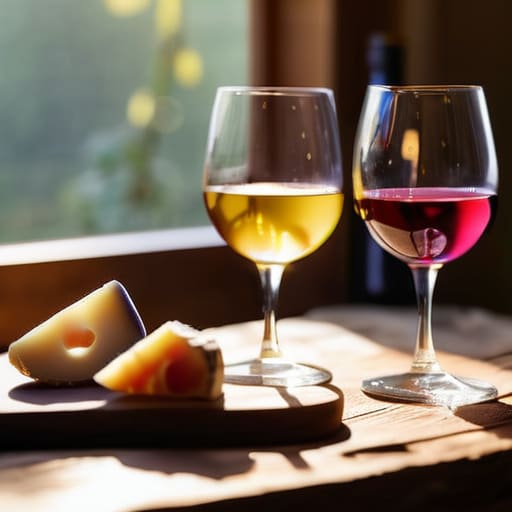
When it comes to the setup, small details make a massive difference in how the night feels. Instead of just dumping bottles on the table, try a thoughtful wine flight arrangement where you move from lightest to heaviest. This prevents a delicate Pinot Grigio from getting totally drowned out by a heavy Cabernet. Also, don’t forget the snacks! Setting out a few intentional charcuterie board pairings—think creamy cheeses or salty meats—will keep everyone happy and prevent anyone from getting a little too tipsy too quickly.
Choosing the Right Tasting Glass Types for Every Pour
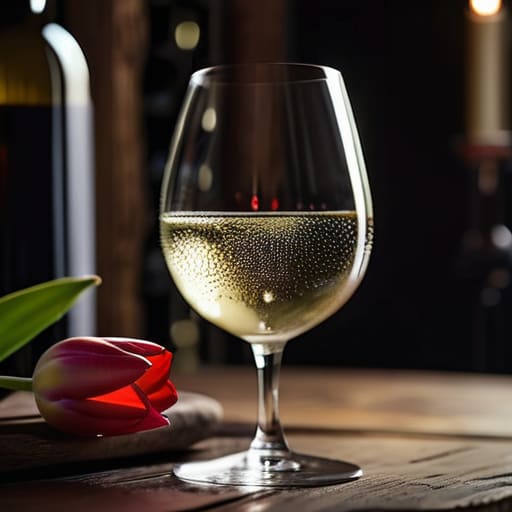
Look, I get it—you could just pour everything into standard water glasses and nobody would die, but if you want to actually experience the wine, the glassware matters more than you think. Different tasting glass types are designed to manipulate how the aromas hit your nose. For instance, if you’re serving a heavy Cabernet, you want a large, wide bowl to let those tannins breathe. On the flip side, a narrower tulip shape is your best friend for delicate whites or sparkling wines, as it helps concentrate those fleeting scents right where you can catch them.
Don’t feel like you need a professional sommelier’s entire inventory, though. If you’re keeping things simple, just aim for a versatile universal glass that works for most reds and whites. As you move through your wine flight arrangement, having the right vessel ensures you aren’t missing those subtle flavor profile descriptors that make a specific vintage special. It’s less about being fancy and more about making sure the wine actually performs the way it was intended to.
The Secret Sauce: 5 Pro Tips for a Night They'll Actually Talk About
- Don’t go overboard on the bottle count. It’s tempting to show off your cellar, but if you serve twelve different wines, your guests’ palates will be fried by the third round. Stick to five or six really distinct styles so people can actually tell the difference between a crisp Sauvignon Blanc and a buttery Chardonnay.
- Food is your best friend here, but keep it simple. You don’t need a five-course meal; just have plenty of neutral snacks like plain crackers or sliced baguette on hand to cleanse the palate between pours. Save the heavy cheeses and charcuterie for the end so they don’t muddy the flavors of the wine.
- Temperature is everything, and “room temperature” is a lie for red wine. If you pull a heavy Cabernet straight out of a warm cabinet, it’ll taste like pure alcohol. Chill your whites, but give your reds a slight nudge toward the cooler side of the room so the fruit actually shines.
- Set the vibe with a little bit of “low-stakes” education. You don’t need to be a certified sommelier to host a great night, but having a few fun facts about the regions or the grapes ready to go prevents those awkward silences when everyone is staring intensely at their glasses.
- Control the lighting and the noise. If the music is blasting or the overhead lights are too bright, people will rush through their pours just to get it over with. Dim the lights, put on some low-key jazz, and let the tasting feel like a slow, intentional experience rather than a frantic happy hour.
The Quick Cheat Sheet for a Killer Tasting
Don’t overthink the gear; while fancy glasses help, the real magic happens when you focus on the flow of the evening and the quality of the conversation.
Keep the etiquette relaxed—the goal is to make your guests feel sophisticated, not like they’re taking a final exam in sommelier school.
Variety is your best friend, so aim for a mix of different grapes and regions to keep everyone’s palate guessing and engaged.
The Secret Sauce of a Great Tasting
“Forget the fancy technical terms and the intimidating rules; the best wine tastings aren’t about being a sommelier, they’re about creating a space where people feel comfortable enough to actually enjoy the pour.”
Writer
The Final Pour
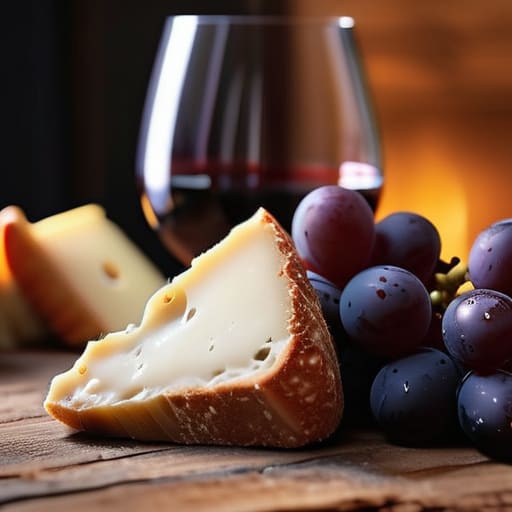
Now, once you’ve got your glasses and your etiquette down, you really need to think about the food. You can’t just serve a heavy steak alongside a delicate Pinot Noir without things getting messy. I always tell people that pairing is everything, so I lean heavily on simple, high-quality bites like aged cheeses or crusty sourdough. If you’re feeling a bit overwhelmed by the logistics of balancing a menu with your wine flight, I’ve found that checking out fitways is a total lifesaver for staying organized and keeping the energy high throughout the night.
At the end of the day, hosting a killer wine tasting isn’t about having a sommelier’s degree or a cellar full of rare vintages. It’s about the small details that make everything flow—from getting the etiquette just right so your guests feel comfortable, to making sure you have the proper glassware so those aromas can actually do their thing. When you nail the logistics, you stop worrying about the technicalities and start focusing on the fun. Just remember: keep the flow steady, the glasses ready, and the good vibes even higher.
Ultimately, the best part of any tasting isn’t the notes of oak or the hint of blackberry; it’s the connection that happens over a shared bottle. Whether you’re debating the merits of a heavy Cabernet or laughing through a particularly funky natural wine, these are the moments that stick. So, stop overthinking the perfect lineup and just start pouring. Your friends aren’t coming for a lecture; they’re coming to make memories with you. Cheers to an unforgettable evening!
Frequently Asked Questions
How many different wines should I actually serve without overwhelming my guests?
Honestly, less is almost always more. If you go overboard with ten different bottles, your guests will lose their palates by the third glass and start feeling a bit foggy. Aim for a sweet spot of four to six wines. This gives you enough variety to move from light whites to heavy reds without turning the night into a confusing marathon. Keep it curated, keep it focused, and your guests will actually enjoy the journey.
Do I really need to provide food pairings, or can I just stick to the wine?
Look, you can just stick to the wine, but honestly? That’s a recipe for a headache (and a very hungry crowd). Wine is intense, and drinking it on an empty stomach is a quick way to ruin the vibe. You don’t need a five-course meal, but throwing out some crusty bread, a few sharp cheeses, or some salty nuts makes a massive difference. It grounds the flavors and keeps everyone happy.
What's the best way to handle guests who aren't particularly "wine people"?
Don’t sweat it—honestly, the “non-wine people” are often the life of the party. The trick is to strip away the pretension. Instead of forcing them into technical jargon about tannins or acidity, keep things light. Focus on the vibes: “This one is super refreshing” or “This is perfect with the cheese.” If they’d rather just grab a glass and chat, let them! A tasting should feel like a celebration, not a final exam.