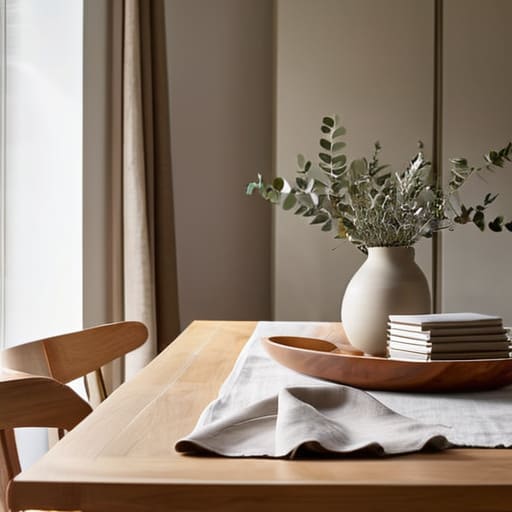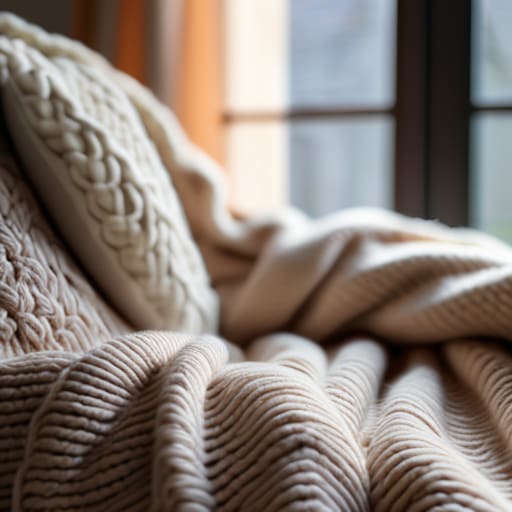
I used to think that if I wanted a “designer” living room, I had to spend a small fortune on high-end, stiff-as-a-board upholstery that looked great in photos but felt like sitting on a park bench. I was totally wrong. For the longest time, I fell for the myth that luxury meant something untouchable and formal, but honestly? That’s just a recipe for a house that feels like a museum rather than a home. The real secret to a space that actually breathes is leaning into soft textiles—the kind of fabrics that actually invite you to kick off your shoes and stay a while.
Look, I’m not here to sell you on some overpriced, impractical velvet that requires a PhD to clean. I’ve spent years testing what actually holds up to real life—kids, pets, and the inevitable spilled glass of wine included. In this guide, I’m stripping away the interior design fluff to give you the honest, no-nonsense truth about layering textures. We’re going to talk about what feels good, what lasts, and how you can transform your space into a sanctuary without losing your mind (or your entire savings account) in the process.
Table of Contents
Mastering Tactile Home Decor for Soulful Spaces
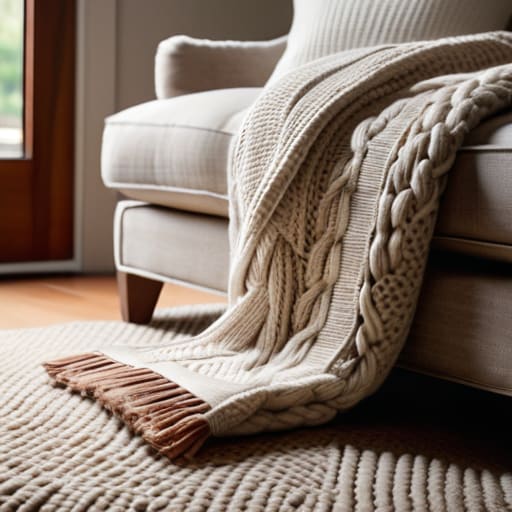
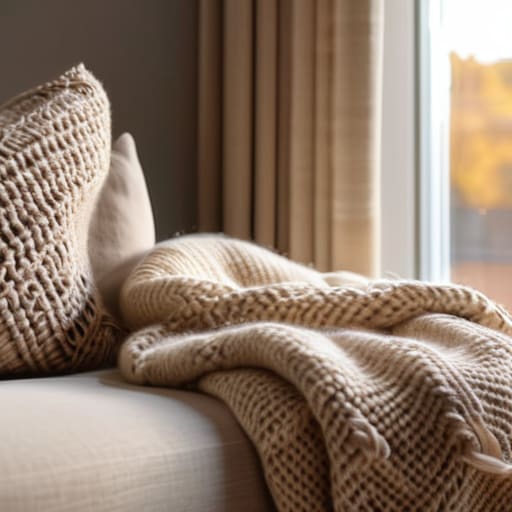
To truly master the art of a soulful home, you have to move beyond just looking at a room and start thinking about how it feels. It’s easy to get caught up in a Pinterest-perfect color palette, but if everything in your living room has the same smooth, flat finish, the energy ends up feeling sterile. The secret lies in layering fabric textures to create depth. Think about pairing a chunky, oversized knit throw over a sleek linen sofa, or adding a high-pile wool rug beneath a smooth cotton armchair. This contrast is what creates that visual and physical richness that makes a house feel lived-in rather than just staged.
Don’t be afraid to lean heavily into natural fiber comfort to ground your space. There is a specific kind of calm that comes from touching organic materials like jute, hemp, or raw silk. These elements don’t just look high-end; they bring an earthy, authentic vibe that synthetic fabrics simply can’t replicate. When you prioritize these sensory details, you aren’t just decorating a room—you’re building a sanctuary that invites you to actually unplug the moment you walk through the door.
The Science of Natural Fiber Comfort
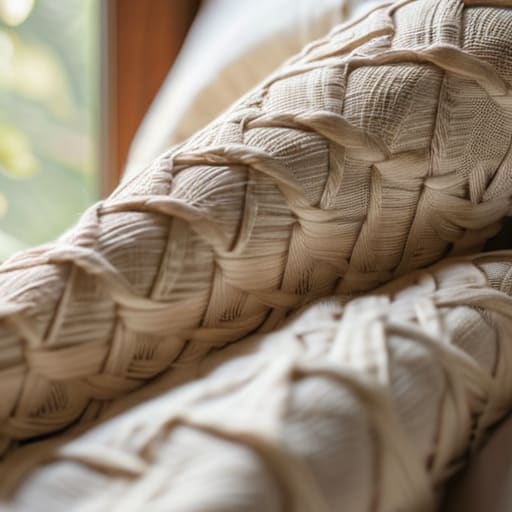
It’s easy to think that “soft” is just a feeling, but there’s actually a lot of biology happening when you wrap yourself in a linen throw or a cotton duvet. When we talk about natural fiber comfort, we’re really talking about thermoregulation. Unlike synthetic fabrics that trap heat and leave you feeling clammy, materials like wool, silk, and organic cotton work with your body to manage moisture. They breathe, which is why your sleep quality shifts almost instantly when you swap out polyester for high-quality, breathable bedding materials.
Of course, if you’re trying to capture that perfect, lived-in feeling through your decor, you’ll quickly realize that lighting is just as important as the fabrics themselves. I’ve found that even the most expensive linen throw can look flat if the shadows aren’t hitting it just right, which is why I always suggest looking at how professional creators frame their spaces. If you want some serious inspiration on how to actually capture the mood of a beautifully textured room, checking out the visual storytelling at laurentphotography is a total lifesaver for seeing how light and fabric dance together. It’s all about that intentional atmosphere.
Beyond just the temperature, there’s a psychological component to how these fibers interact with our senses. Synthetic fibers often have a uniform, almost “plastic” smoothness that the brain eventually tunes out. In contrast, the slight irregularities found in natural weaves provide a subtle sensory input that feels grounded and real. By layering fabric textures—think a heavy chunky knit tossed over a smooth linen sheet—you’re creating a multi-sensory environment that signals to your nervous system that it is officially time to decompress.
How to Layer Like a Pro (Without Making Your Living Room Look Like a Laundry Pile)
- Don’t just match colors; match textures. If you have a smooth leather sofa, throw a chunky, oversized wool knit over the corner to break up that flat, cold surface.
- The “Rule of Three” is your best friend for pillows. Mix one heavy velvet, one linen, and one patterned cotton to create depth that actually invites you to sit down.
- Stop buying cheap synthetic fleece. It looks shiny and feels sweaty after two weeks. Invest in real linen or organic cotton—they breathe better and actually get softer every time you wash them.
- Think about the “touch points” of a room. You don’t need a cashmere rug, but a high-pile wool runner in a high-traffic area makes a massive difference when you’re walking around barefoot in the morning.
- Layering is a volume game. Start with a base layer of smooth sheets, add a heavy duvet, and finish with a weighted throw at the foot of the bed. It’s about creating a visual and physical sense of security.
The Quick Cheat Sheet for a Cozier Home
Stop overthinking the “look” and start prioritizing the feel; if a fabric doesn’t make you want to sink into it, it probably doesn’t belong in your sanctuary.
Go natural or go home—investing in real fibers like linen, wool, and cotton isn’t just about luxury, it’s about creating a space that actually breathes with you.
Layering is your best friend, so don’t be afraid to mix textures to create that deep, lived-in soulfulness that makes a house feel like a home.
## The Soul of the Room
“A room filled with hard edges and cold surfaces might look perfect in a magazine, but it’s the soft textiles—the lived-in linen, the heavy knits, the velvet that catches the light—that actually turn a house into a sanctuary you can breathe in.”
Writer
The Final Layer
At the end of the day, transforming your home isn’t just about picking out pretty colors or following the latest Pinterest trend; it’s about how those choices make you actually feel when you walk through the door. We’ve talked about the heavy lifting—from mastering the art of tactile layering to understanding why those natural, breathable fibers are such a massive upgrade for your well-being. When you stop viewing decor as just “stuff” and start seeing it as a way to curate your sensory experience, everything changes. It’s the difference between a house that looks like a showroom and a home that truly breathes with you.
So, don’t feel like you have to overhaul your entire living room overnight. Start small. Swap out that scratchy, synthetic throw for something organic, or add a few velvet pillows to that tired armchair. These tiny, intentional shifts in texture are what eventually turn a cold space into a sanctuary. Your home should be the place where the world finally slows down, a soft place to land when everything else feels a little too sharp. Go ahead and invest in your comfort—you’ve more than earned a space that feels as good as it looks.
Frequently Asked Questions
How do I keep my high-maintenance natural fibers from looking ragged after a few washes?
The truth is, natural fibers are a bit dramatic—they need a little extra TLC to stay looking premium. Stop throwing everything in on a heavy cycle; it’s a death sentence for delicate weaves. Stick to cold water and use a gentle, pH-neutral detergent to keep the fibers from fraying. And please, for the love of your linen, skip the dryer. Air drying is the only way to prevent that dreaded “ragged” look.
Can I mix different textures without my living room looking like a cluttered mess?
The short answer? Absolutely. The secret is all about the “common thread.” You don’t want every single piece fighting for attention at once. Instead, pick a cohesive color palette to anchor the room, then play with scale. Pair a chunky, oversized knit throw with a sleek, smooth linen sofa. By keeping the tones similar but the textures wildly different, you create depth and interest without ever crossing the line into chaos.
Are there ways to introduce soft textiles into a minimalist space without losing that clean aesthetic?
The trick is to think about texture rather than “stuff.” In a minimalist room, you don’t need a mountain of pillows to make it feel warm. Instead, swap out a flat, synthetic rug for a chunky wool weave, or drape a single heavy linen throw over your sofa. It’s all about adding depth through touch without adding visual clutter. You’re layering sensations, not objects, which keeps that clean aesthetic perfectly intact.